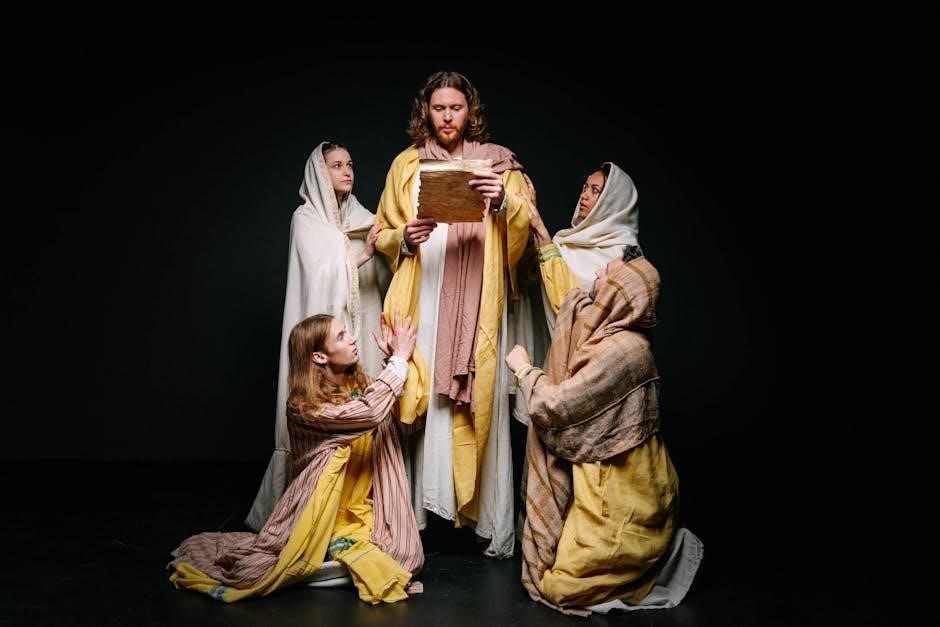
Understanding Jesus Revealed in the Tabernacle
The sanctuary serves as a divine blueprint, illustrating the mission of Christ. Every detail points toward His redemptive work, offering believers a profound glimpse into the plan for salvation. Explore how these ancient symbols unveil the eternal nature.
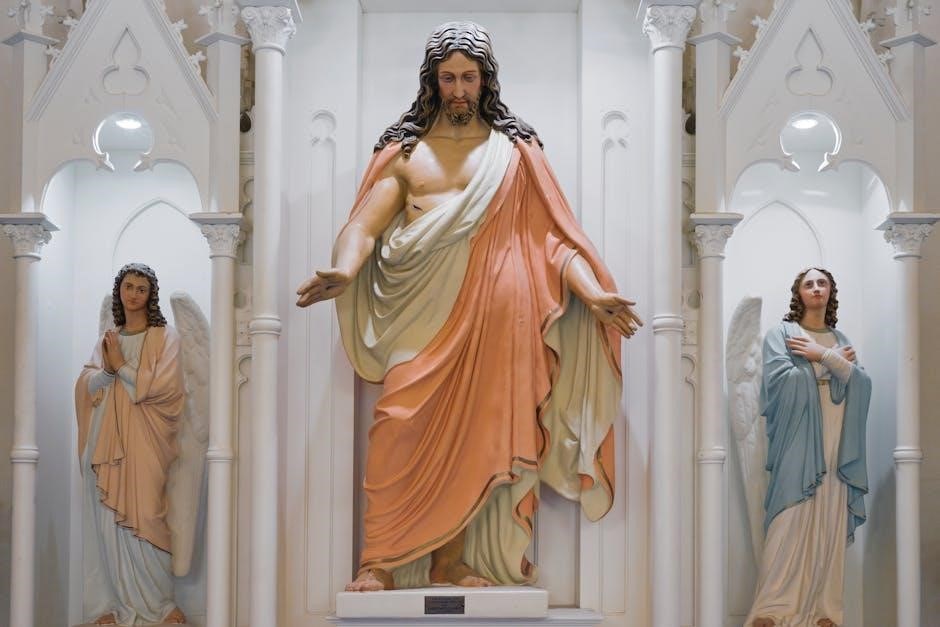
The Outer Court: The Beginning of Redemption
The outer court represents the initial step in the journey toward God’s presence. This open space symbolizes where sinners first approach the sanctuary, marking the essential starting point for redemption and the beginning of a truly holy transformation.
The Brazen Altar: Christ’s Sacrifice
The Brazen Altar stood at the entrance of the Outer Court, serving as the first stop for any person seeking God. This massive structure of acacia wood overlaid with bronze represents the place where animal sacrifices were offered to atone for sins. In a deeper spiritual sense, this altar is a powerful foreshadowing of the cross of Calvary. Just as the animal died in place of the sinner, Jesus Christ, the Lamb of God, offered Himself as the ultimate and final sacrifice for all humanity. The fire that consumed the offering symbolizes the holiness of God and the judgment that sinners deserve, but which Christ bore on our behalf. By shedding His precious blood, Jesus satisfied the demands of divine justice, bridging the gap between a holy God and fallen man. Without the shedding of blood, there is no true remission of sins; therefore, the Brazen Altar clearly highlights the absolute necessity of a substitute. Through this divine sacrifice, the way to the sanctuary was finally opened, proving that redemption begins with the blood of the Lamb, ensuring that we may now approach the Father with boldness, peace, and grace.
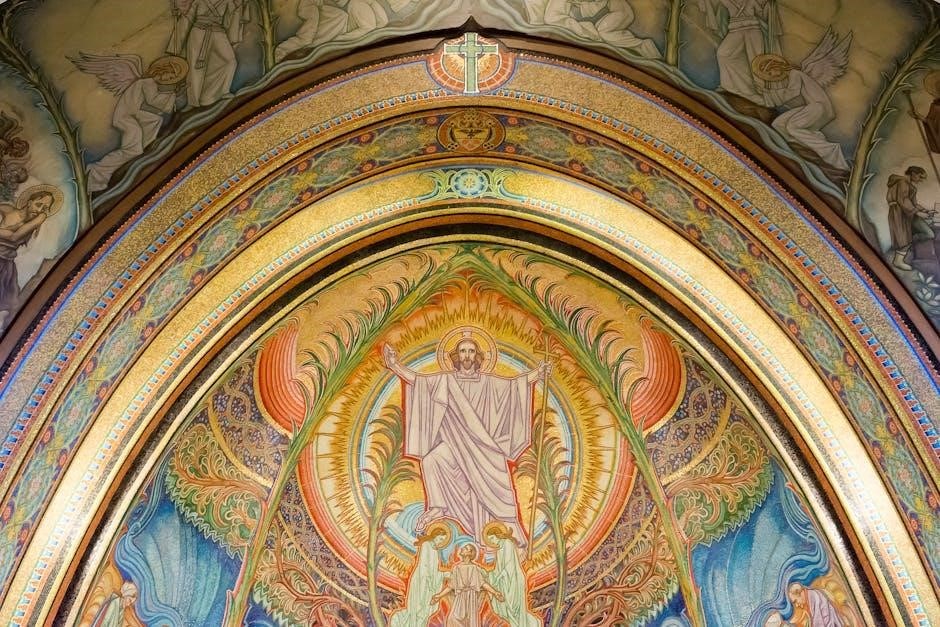
The Bronze Laver: The Cleansing Word
The Bronze Laver stood as a critical station where priests performed ritual cleansing before entering the inner sanctuary. This basin represents the essential step of sanctification that follows the first act of salvation. While the previous stage dealt with the guilt of sin, the laver focused on the removal of defilement. In the New Covenant, this water symbolizes the Word of God, which washes the believer and prepares the heart for service. Jesus Christ, the living Word, provides the spiritual bath that purifies the mind and spirit, stripping away the remnants of the worldly life. By immersing ourselves in His truth, we are cleansed from the pollution of a fallen world, ensuring that our hands and feet are sanctified for the tasks ahead. This process of ongoing purification is vital for maintaining a walk of holiness. The laver reminds us that once we are justified, we must be sanctified by the Spirit through the scriptures. Therefore, the bronze basin points to the transformative power of Christ’s teachings, which refine our character and prepare us for the deeper fellowship found within the sanctuary, reflecting a pure heart and a renewed spirit.
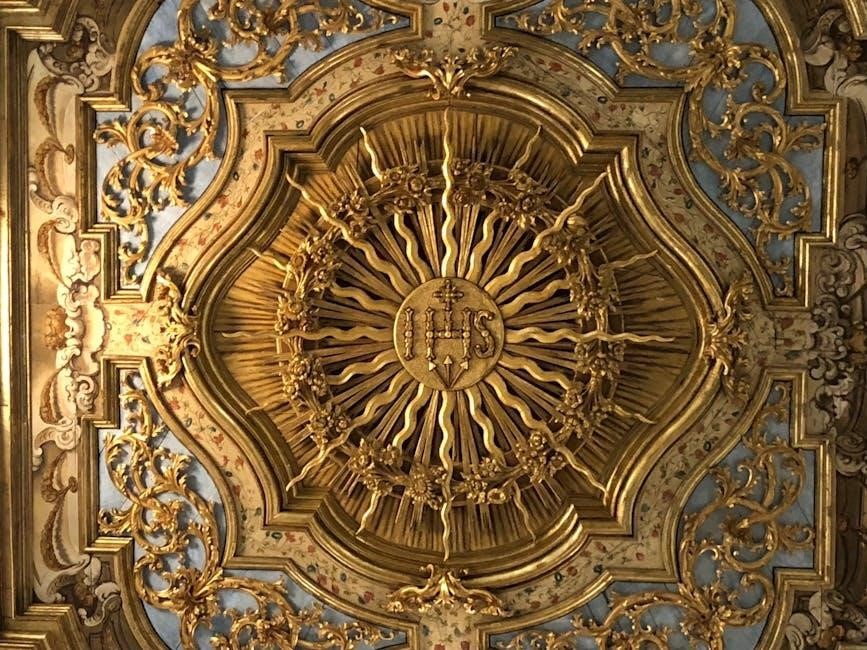
The Holy Place: The Fellowship of Christ
Moving inside the sanctuary, we encounter a space dedicated to intimacy. This area symbolizes the daily walk with our Savior, where believers experience His constant presence and guidance through the Spirit, fostering a deep, spiritual communion with God.
The Golden Lampstand: Jesus as the Light of the World
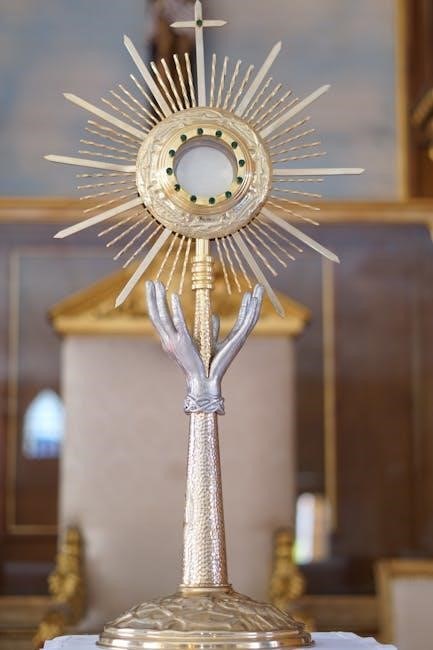
The Golden Lampstand, known as the Menorah, stood in the Holy Place, providing the only source of illumination. This sacred object was crafted from a single piece of pure gold, symbolizing the sinless nature and divine perfection of the Lord Jesus. Just as the lampstand chased away the darkness of the sanctuary, Christ entered a world blinded by sin to bring the light of truth and hope. He declared Himself to be the Light of the World, ensuring that whoever follows Him will never walk in darkness but will have the light of life. The oil fueling the lamps represents the Holy Spirit, who empowers the ministry of Jesus and continues to guide the church today. Through this light, the path to the Father is made clear, removing the shadows of ignorance and fear. The lampstand reminds us that the light of God is not temporary or flickering but is an eternal flame that burns with steady love. By contemplating this symbol, we understand that Jesus provides the spiritual vision necessary to navigate earthly existence, leading us toward an everlasting glory where no darkness remains. He is our eternal light.
The Table of Showbread: Jesus as the Bread of Life
The Table of Showbread, located within the Holy Place, held twelve loaves of bread, symbolizing the twelve tribes of Israel and God’s continuous provision. This table represents the spiritual sustenance found only in Jesus Christ, who proclaimed, “I am the bread of life.” Just as the physical bread nourished the priests and served as a constant reminder of God’s faithfulness, Christ provides the eternal nourishment required for the human soul. He is the source of all spiritual life, satisfying every hunger and thirst of the heart. The gold overlay of the table signifies the divine nature of this provision, showing that the bread of life is a gift from heaven, not a creation of man. By partaking in Christ through faith, believers enter into a deep, intimate fellowship with the Creator. This sacred furniture emphasizes that Jesus does not merely offer a path to God but is Himself the essential substance that sustains us throughout our earthly journey. Through Him, we find complete satisfaction and the strength to endure every trial. He is the ultimate source, the living bread come down from heaven to feed all who believe in Him.
The Altar of Incense: Christ’s Intercession
Positioned strategically before the veil of the Most Holy Place, this golden object symbolizes the perpetual pleading of Jesus Christ on behalf of His people. In the Tabernacle, the priests burned aromatic incense daily, creating a fragrant cloud that rose toward God. This act represents the prayers of the saints, but more importantly, it points to the role of Christ as our Great High Priest. Just as the incense was fragrant and pleasing to the Lord, the righteousness of Jesus makes our prayers acceptable to the Father. He does not merely present our requests but pleads our cause with an eternal love that never fails. His advocacy is a continuous work, ensuring that believers have constant access to the grace of God. The gold of the furniture signifies the divine purity and value of this heavenly support. Without this mediation, humanity would remain separated from the holiness of God. Therefore, this sacred structure serves as a powerful reminder that we are never alone in our struggle; Christ stands before the throne, forever speaking for us, transforming our weaknesses into a sweet aroma of faith and redemption through His great love.
The Most Holy Place: The Presence of God
This innermost sanctuary represents the absolute pinnacle of spiritual intimacy. It is where the divine glory resided, marking the ultimate destination for the soul. Here, the holiness of God meets the redemption found in Christ’s own eternal grace.
The Veil: The Torn Flesh of Christ
The thick curtain served as a formidable boundary, reminding all that sinful humanity could not enter the divine presence. Only the high priest could pass through once a year, signifying the distance created by transgression. However, this barrier was not eternal. At the precise moment of the crucifixion, a miraculous event occurred. The heavy fabric was rent from top to bottom, symbolizing a cosmic shift in access to the Father. This physical tearing directly mirrored the suffering of the Savior. His physical body was broken and His flesh torn upon the cross to pay the ultimate price for sin. By sacrificing His own life, Jesus removed the obstacle that previously separated mankind from the Creator. Now, the way is open for every believer to approach the throne of grace with confidence and boldness. No longer restricted by rituals or physical curtains, the redeemed enter through the sacrifice of the Lamb. This transition from separation to union highlights the depth of divine love. The torn fabric stands as a permanent testament that the price has been paid and the door to eternal fellowship is finally open for all those who believe.
The Ark of the Covenant: The Throne of Grace
The Ark of the Covenant stood as the sacred object within the sanctuary, representing the localized presence of the Almighty among His people. It was a golden chest, symbolizing purity and royalty, designed to hold the most precious items of the covenant. In a spiritual sense, the Ark foreshadows Jesus Christ, who is the true embodiment of God’s presence on earth. He is the one who bridges the gap between the holiness of God and the frailty of man. While the physical chest was a temporary container, Christ is the eternal dwelling of the Father. He is the mediator who allows us to stand before the Divine without fear. By viewing the Ark as a throne of grace, we recognize that Jesus is the way. He does not merely point to the throne; He is the gateway to it. Through His righteousness, the holiness of God is no longer a source of terror but a source of peace. The Ark teaches us that God desires to dwell with His children, a promise fully realized in the Incarnation. Jesus is the ultimate vessel of truth and grace, leading every believer home.
The Mercy Seat: The Place of Atonement
The Mercy Seat was the golden lid covering the chest, serving as the specific location where the blood of the sacrifice was sprinkled annually. This sacred space represents the intersection of divine justice and unconditional love. While divine judgment resided beneath it, the blood atop the seat shielded the people from judgment. Jesus Christ is the fulfillment of this symbol, acting as our ultimate propitiation. He is the one who takes the place of the sinner, absorbing the wrath of God to provide us with an eternal sanctuary of peace. In the New Testament, the term “propitiation” directly relates to this concept of the mercy seat. By shedding His own blood, Christ turned the place of judgment into a fountain of grace. He is the shield that protects us, ensuring that the Father looks upon us with favor rather than condemnation. Through Him, we are not judged by our failings but are accepted through His perfect righteousness. This divine arrangement proves that God’s holiness and His mercy are perfectly harmonized in the person of Jesus. He is the bridge that allows fallen humanity to approach the glory of God now.
The Ten Commandments: Christ as the Fulfiller of the Law
The stone tablets of the Ten Commandments represent the absolute holiness and moral standard of God. These laws acted as a mirror, revealing the fallen state of humanity and the impossibility of achieving righteousness through human effort alone. No person could ever satisfy the demands of the Law perfectly, as every individual fell short of the divine glory. However, Jesus Christ entered history to achieve what no man could. He lived a life of complete obedience, fulfilling every jot and tittle of the law’s requirements. He did not come to abolish these commandments but to fulfill them entirely. By living a sinless life, Christ became the only human to ever satisfy the legal demands of the Father; Now, through faith in Him, His perfect righteousness is imputed to the believer. The Law no longer condemns those who are in Christ; instead, it points to the Savior who paid the penalty for every violation. Jesus is the living embodiment of the Law’s intent, transforming a system of condemnation into a path of grace and redemption for all who believe in His holy saving name. He is the righteousness of God Almighty.
The Golden Pot of Manna: The Heavenly Bread
The golden pot containing manna, preserved within the Ark, stands as a timeless reminder of God’s miraculous provision for His people during their wilderness journey. While the manna sustained the Israelites physically, it served as a prophetic shadow of a greater spiritual reality. Jesus declared Himself as the true bread that came down from heaven to give life to the entire world. Unlike the earthly manna, which only delayed death, the spiritual nourishment found in Christ offers eternal life to all who feast upon His grace. This golden vessel symbolizes the faithfulness of the Father who ensures that His children never lack the essential sustenance required for their spiritual survival. By identifying as the heavenly bread, Jesus reveals that He is the only source of true satisfaction for the hungry soul. He provides a divine nourishment that transcends physical needs, filling the void of the human heart with peace and righteousness. The preservation of the manna warns against unbelief and celebrates the enduring mercy of God. In Christ, the promise of daily provision is fulfilled perfectly, ensuring that every believer is spiritually fed and eternally satisfied through His infinite love.
Aaron’s Rod: The Eternal Priesthood of Jesus
Aaron’s rod, preserved within the sanctuary, represents a miraculous sign of divine selection and authority. Originally a dry piece of wood, it unexpectedly blossomed, produced buds, and bore ripe almonds, symbolizing life emerging from death. This supernatural event confirmed Aaron’s calling, but it more profoundly points to the eternal priesthood of Jesus Christ. While earthly priests were limited by mortality, Jesus serves as our Great High Priest forever, possessing a priesthood that is indestructible. He is the living branch who brings spiritual vitality to all who trust in Him. The rod’s transformation mirrors the resurrection, where Christ triumphed over the grave to bridge the gap between God and man. Through His unique role, He offers an unending compassion and an unchanging grace that secures our standing before the Father. By examining this symbol, believers recognize that Jesus was not appointed by human will but by divine decree. His priesthood is not temporary or flawed; it is perfect and everlasting. This divine appointment ensures that we have a sympathetic advocate in the heavenly sanctuary, guiding us toward holiness. The blooming rod testifies that Christ is the source of life and salvation.
and Accessing the Study PDF
Reflecting on these sacred symbols allows believers to appreciate the depth of God’s love and the precision of His redemptive plan. The progression from the start to the final destination illustrates the return of a soul to its Creator through the mediation of Christ. By studying these patterns, we gain a clearer understanding of how grace operates and how the way to the Father was opened. This spiritual exploration is not merely historical but is a living testimony to the faithfulness of the Savior. Now that we have traversed these divine blueprints, it is time to deepen your personal study and meditation; To help you internalize these truths and share them with others, we have provided a comprehensive resource. You can now download the complete study guide in a convenient format. Simply click the link below to access the full “Jesus Revealed in the Tabernacle” PDF. This document contains detailed charts, reflection questions, and scriptural references to enrich your faith. Let this knowledge transform your prayer life and your relationship with the Lord. Download your copy today and begin a journey of deeper revelation, constant prayer, and lasting spiritual growth.

About the author