Monthly Archive April 27, 2026

Bykyler

wildview trail camera instructions

Understanding Your WildView Trail Camera

Recent tech news highlights advancements in processors, storage, and AI-powered PCs, impacting camera technology and data management for trail camera users.

What is a Trail Camera and Its Uses?

Trail cameras, also known as game cameras, are remotely triggered devices designed to capture still images or videos of wildlife. Originally popular with hunters to scout game patterns, their uses have dramatically expanded. Today, they’re invaluable for security monitoring, documenting animal behavior, and research purposes.

Modern cameras, like the WildView, leverage advancements in processor technology and storage (like pCloud for data backup) to deliver high-resolution imagery and extended recording capabilities. The recent surge in AI integration, as seen in Intel’s Core Series 3, hints at future cameras with smarter detection and classification features. They offer a discreet, automated way to observe environments without human presence.

Key Components of the WildView Camera

The WildView camera comprises several essential parts. A high-resolution image sensor captures photos and videos, while the processing unit, benefiting from advancements like Intel’s 18A engraving, manages image quality and trigger speed. A passive infrared (PIR) sensor detects motion, initiating recording.

Crucially, it requires SD card storage for captured media, and batteries for power. The camera’s housing provides weather resistance. Newer models may include features like a custom watermark setting and remote control functionality. Considering the increasing data volumes, utilizing cloud storage like pCloud is advisable for backups, mirroring trends in PC IA storage solutions like Nvidia’s DGX Spark.

Initial Setup and Configuration

Proper setup is vital. Begin by ensuring compatibility with current tech, like Windows 12, and preparing necessary components for optimal performance and data storage.

Inserting Batteries and SD Card

Begin by carefully locating the battery compartment, typically secured with a latch. Insert the correct number and type of batteries, observing the proper polarity as indicated inside the compartment – crucial for reliable operation. Next, identify the SD card slot; it usually accepts microSD cards. Gently insert the SD card until it clicks into place, ensuring it’s firmly seated.

Compatibility is key; check your camera’s specifications for supported SD card sizes and speeds. Recent advancements in storage, like pCloud, demonstrate the importance of reliable data retention. A properly inserted SD card is essential for capturing and storing images and videos, allowing you to review your wildlife observations later.

Powering On and Initial Time/Date Setting

To power on your WildView camera, locate the power button – often alongside the menu or test button. Press and hold it briefly until the display illuminates. Accurate time and date settings are vital for correct image and video timestamping. Navigate to the settings menu using the buttons, and find the time/date option.

Input the current date and time carefully, following the displayed format. Recent tech news highlights Intel’s advancements in processor series, impacting device responsiveness. Confirm your settings and save them. Proper time synchronization ensures your captured data is chronologically organized, aiding in wildlife behavior analysis and event tracking.
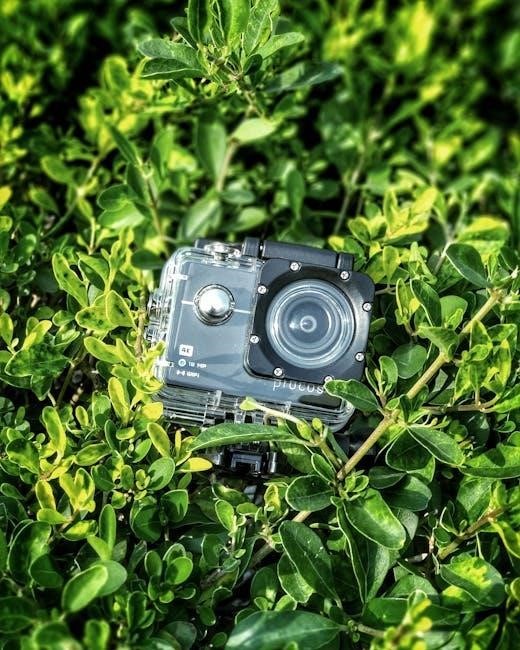
Navigating the WildView Camera Interface

The interface utilizes buttons and a display; understanding these controls is key to customizing settings and reviewing captured content efficiently, like new PC AI features.

Understanding the Menu System

The WildView camera’s menu system is logically structured, allowing users to navigate settings with relative ease. Expect options for image/video resolution, trigger settings, and capture modes. Recent advancements in processing power, as seen in Intel’s Core Series 3 and AMD’s Ryzen 9, translate to faster menu responsiveness.

Utilize the display screen and directional buttons to scroll through options. Submenus often exist for more granular control. Familiarize yourself with icons representing different features – a video camera icon indicates video settings, for example. Remember to save any changes made before exiting a menu, ensuring your preferences are retained. Efficient navigation is crucial for optimal performance.

Button Functions and Display Indicators

The WildView camera features a set of intuitive buttons for operation. Typically, a ‘Menu’ button accesses settings, directional buttons navigate options, and an ‘OK’ or ‘Select’ button confirms choices. A ‘Power’ button controls the device. Display indicators provide crucial feedback – battery level, SD card status, and signal strength are commonly shown.

Pay attention to flashing icons; these often signal active recording or low battery. Advancements in display technology, mirroring those in new PCs like Nvidia’s DGX Spark, ensure clear visibility even in bright sunlight. Understanding these indicators minimizes guesswork and maximizes efficient camera usage in the field.
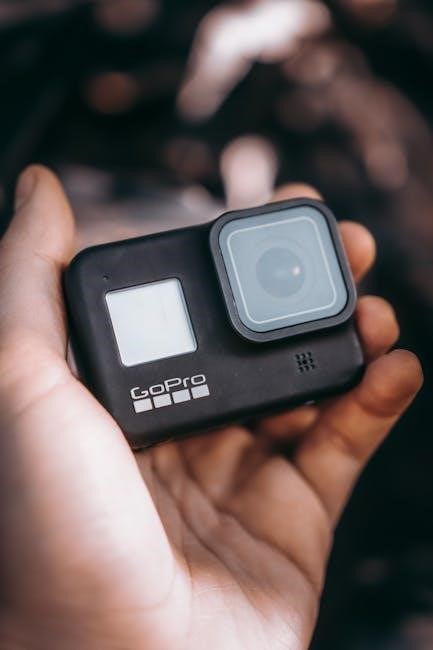
Camera Settings: Capturing the Best Images

Optimizing resolution and trigger speed, influenced by processor advancements like Intel’s Core Series 3, is key for clear, timely wildlife captures with your WildView camera.

Image Resolution and Quality Settings

Your WildView camera offers several image resolution options, directly impacting file size and detail. Lower resolutions (e.g., 640×480) conserve SD card space, ideal for long deployments and rapid event capture, but sacrifice clarity. Higher resolutions (e.g;, 12MP, 20MP) deliver stunning detail, perfect for identifying animals or features, but consume more storage.

Quality settings further refine image appearance. Higher quality settings minimize compression artifacts, preserving finer details, while lower settings reduce file size. Consider the balance between image quality and storage capacity based on your monitoring goals. Recent advancements in processor technology, like those seen in AMD Ryzen processors, enable faster image processing and potentially higher resolution options.

Video Resolution and Length Options

The WildView camera provides a range of video resolutions, from basic VGA to Full HD (1080p) and potentially even higher, depending on the model. Higher resolutions capture more detail, crucial for identifying moving subjects, but demand significantly more storage space on your SD card. Consider your needs – quick event verification versus detailed behavioral analysis.
Video length settings determine recording duration. Shorter clips (e.g;, 10 seconds) conserve storage, while longer clips (e.g., 60 seconds, several minutes) capture more complete events. New AI-powered PCs, like Nvidia’s DGX Spark, can efficiently process these larger video files. Balancing resolution, length, and storage is key for optimal performance.

Trigger Speed and Sensitivity Adjustment

Trigger speed dictates how quickly the camera begins recording after detecting motion. Faster trigger speeds (under 0.5 seconds) are vital for capturing fast-moving animals, minimizing the chance of missing crucial moments. However, extremely fast speeds can lead to more false triggers from wind or vegetation.

Sensitivity settings control the level of motion needed to activate the camera. Higher sensitivity detects even subtle movements, useful for smaller animals, but increases false triggers. Adjusting these settings requires experimentation based on your specific environment. Recent processor advancements, like Intel’s Core Series 3, enhance image processing for clearer results.

Detection and Capture Modes

Modern cameras offer diverse capture options, including motion detection, time-lapse, and interval recording, leveraging new AI capabilities for optimized performance;

Motion Detection Mode Explained

Motion detection is a core function, activating the camera only when movement is present, conserving battery life and storage space. The WildView camera utilizes a Passive Infrared (PIR) sensor to detect heat signatures, triggering image or video capture. Sensitivity adjustments are crucial; higher sensitivity detects smaller movements at greater distances, potentially leading to false triggers from wind or vegetation. Lower sensitivity reduces false alarms but might miss quicker or smaller animals.

Understanding the PIR sensor’s field of view is also important for optimal placement. Experimenting with settings and reviewing captured footage will help fine-tune motion detection for your specific environment and desired results.

Time-Lapse Photography Mode

Time-lapse mode captures images at pre-defined intervals, creating a condensed view of events over an extended period. This is ideal for observing plant growth, animal activity patterns, or weather changes. The WildView camera allows you to set the interval – the time between each captured image – ranging from seconds to hours. Shorter intervals create smoother, more detailed time-lapses, while longer intervals compress time significantly.

Consider the desired effect and battery life when selecting an interval. Reviewing the resulting images requires a compatible program to assemble them into a video or slideshow. Experimentation is key to achieving the perfect time-lapse sequence.

Interval Recording Settings

Interval recording differs from time-lapse; it continuously records video clips at specified intervals, rather than still images. This mode is useful for monitoring activity without capturing every single moment, conserving storage space and battery life. The WildView camera’s settings allow precise control over the recording interval duration and the length of each video clip.

Shorter intervals provide more frequent recordings, while longer intervals reduce data volume. Carefully consider the anticipated activity level and desired level of detail when configuring these settings. Regularly check the SD card capacity to avoid interrupted recording.

Advanced Features and Customization

New processor technologies and AI advancements enable features like custom watermarks, multi-shot options, and potentially remote control capabilities for enhanced WildView camera functionality.

Setting a Custom Watermark

Personalizing your images is now easier than ever! The WildView camera allows you to imprint a custom watermark directly onto each captured photo or video. This feature is invaluable for identifying the source of your footage and deterring potential misuse. Access the camera’s menu system, navigate to the ‘Watermark’ settings, and you’ll be presented with options to input text.

You can typically customize the watermark’s font size, color, and position on the image. Consider including information like your name, location, or a unique identifier. Remember to save your settings after customization to ensure the watermark is consistently applied. This subtle addition adds a professional touch and safeguards your valuable wildlife observations.

Multi-Shot and Burst Mode Options

Capture every detail with enhanced shooting modes! The WildView camera offers ‘Multi-Shot’ and ‘Burst’ modes to increase your chances of getting the perfect image, especially when tracking fast-moving wildlife. Multi-Shot captures a series of images at set intervals after initial motion detection. Burst mode, conversely, rapidly takes multiple photos in quick succession – essentially a continuous shooting function.

Access these options within the camera’s settings menu. Adjust the number of shots and the interval between them to suit your specific needs. Utilizing these modes is particularly useful for documenting animal behavior or ensuring a clear shot during fleeting moments. Experiment to find the optimal settings for your environment!

Remote Control Functionality (if applicable)

If your WildView model includes remote control capabilities, you gain convenient access to camera settings and live viewing without disturbing the camera’s location; Typically, this involves a dedicated remote or smartphone app connectivity via Bluetooth or Wi-Fi. The remote allows you to trigger photos, start/stop video recording, and adjust settings like sensitivity and resolution from a distance.

Refer to the specific instructions included with your camera model for detailed pairing and operation procedures. Remote control enhances security and minimizes scent disruption, crucial for successful wildlife observation. Ensure the remote has sufficient battery life for reliable operation in the field.
Mounting and Placement Strategies

Optimal placement maximizes detection; secure mounting prevents theft and ensures stable footage, crucial for capturing clear images of wildlife activity.

Optimal Camera Height and Angle

Achieving the best results with your WildView camera hinges on strategic placement. Generally, a height of 3-5 feet (0.9-1.5 meters) offers a good balance, capturing a wide field of view without being overly obstructed by vegetation. However, consider the target animal; for larger creatures, a slightly higher angle might be beneficial.

Angle is equally important. Avoid pointing the camera directly at the sun to prevent glare and washed-out images. A slight downward angle helps capture more detail and reduces the chance of capturing only the tops of animals’ heads. Experiment with minor adjustments to find the sweet spot for your specific location and desired outcome; Remember to periodically check and readjust as vegetation grows.

Securing the Camera to Trees or Posts

Properly securing your WildView camera is crucial for preventing theft and ensuring stable footage. Utilize the provided mounting strap, ensuring it doesn’t girdle the tree – allow for growth! For posts, consider a robust bracket and padlock for added security.

Always prioritize tree health. Avoid using nails or screws that can damage the bark. Regularly inspect the strap for wear and tear, and adjust as needed. Camouflage the camera and strap with natural materials to blend into the environment, further deterring potential thieves and minimizing disturbance to wildlife. A stable mount minimizes blurry images caused by movement.

Troubleshooting Common Issues

Tech updates reveal potential software glitches and hardware failures, mirroring issues users might encounter with their WildView cameras, requiring careful diagnostics.

Camera Not Powering On

If your WildView camera fails to power on, begin with the basics. First, ensure the batteries are correctly installed, observing proper polarity (+/-). Utilize a fresh set of batteries, as low battery power is a frequent culprit. Confirm the SD card is properly inserted; sometimes, a faulty or improperly seated card can prevent startup.

Next, inspect the power switch, ensuring it’s fully engaged. If the issue persists, try a different SD card to rule out card-related problems. Check the battery compartment for any corrosion or debris that might impede contact. Finally, consult the user manual for specific troubleshooting steps related to your WildView model, as certain cameras have unique power-saving features or reset procedures.

Poor Image Quality Troubleshooting

Addressing blurry or low-quality images starts with lens cleanliness. Gently wipe the lens with a microfiber cloth to remove dust, dirt, or smudges. Verify sufficient ambient light; trail cameras rely on it. Adjust image resolution settings within the camera’s menu – higher resolution generally yields sharper images, but consumes more storage.

Check trigger speed and sensitivity. A slow trigger might miss crucial moments, while excessive sensitivity can cause blurry images from rapid movements. Ensure the camera is securely mounted to minimize vibrations. Finally, consider the distance to the subject; images become less clear with increased distance.

SD Card Errors and Solutions

Encountering SD card issues is common. First, ensure the card is compatible with your WildView camera – check the supported capacity and speed class (usually Class 10 or UHS-I). Formatting the SD card within the camera (not on a computer) often resolves errors. If the camera doesn’t recognize the card, try a different card to isolate the problem.

Corrupted data can occur. Regularly back up images to a computer. Avoid removing the card while the camera is writing data. If formatting fails, a computer format (FAT32) might be necessary, but always reformat in the camera afterward. Consider a higher-quality SD card for increased reliability.

Bykyler

vista 32fb user manual

The Vista 32fb, a Windows personal desktop OS released in 2005, faced compatibility hurdles and ultimately didn’t dominate the market, despite innovative features.

What is the Vista 32fb?

The Vista 32fb represents Microsoft’s attempt at a next-generation operating system, formally known as Windows Vista, with an internal version of 6.0 (Windows NT 6.0). Announced on July 22, 2005, it aimed to modernize the user experience and enhance security. However, its demanding hardware requirements and driver compatibility issues hindered widespread adoption.

Despite its shortcomings, Vista introduced significant advancements, laying the groundwork for future Windows iterations like Windows 7 and Windows 10. It was a bold, albeit flawed, endeavor that ultimately influenced the evolution of Microsoft’s operating systems.

Target Audience for this Manual

This manual is specifically designed for individuals utilizing the Vista 32fb operating system, particularly those encountering challenges with its compatibility or seeking to maximize its functionality. It caters to both novice users unfamiliar with Vista’s interface and experienced users requiring detailed troubleshooting guidance.

Furthermore, it’s beneficial for computer enthusiasts interested in understanding Vista’s historical context and its influence on subsequent Windows versions. The guide aims to empower users to navigate and maintain their Vista 32fb systems effectively.

System Requirements & Compatibility

Vista 32fb demands specific hardware, including a compatible graphics card and network adapter with readily available Windows Vista drivers for optimal performance.

Hardware Requirements

To ensure a smooth experience with the Vista 32fb, your system must meet certain hardware specifications. A processor with at least 800MHz is recommended, alongside a minimum of 512MB of RAM, though 1GB or more is highly suggested.

The graphics card needs to support DirectX 9 and have at least 128MB of video memory. Adequate storage space is crucial; a 20GB hard drive is the minimum, but larger is preferable;

A DVD-ROM drive is necessary for installation, and a sound card compatible with DirectX 9 is also required. Finally, ensure your system possesses a compatible network adapter for internet connectivity.

Operating System Compatibility (Focus on Vista)

The Vista 32fb is specifically designed for Windows Vista, with versions built for both 32-bit and 64-bit architectures. However, due to Vista’s age and eventual obsolescence, compatibility with newer operating systems like Windows 10 or 11 is not guaranteed and generally unsupported.

Attempting to run the Vista 32fb on these newer systems may result in errors or malfunctions.

Software compatibility is a significant concern, as many modern applications no longer offer Vista support. Consider this limitation before attempting installation.

Driver Availability for Windows Vista

Ensuring compatible drivers are crucial for the Vista 32fb’s functionality on Windows Vista. Locating drivers specifically marked as suitable for Vista is paramount, particularly for display adapters and network cards.

However, driver support for Vista is dwindling as manufacturers discontinue updates for the aging OS.

If drivers aren’t readily available, the device may not function correctly. Thoroughly research driver compatibility before installation to avoid potential issues and ensure optimal performance.

Initial Setup & Installation

Begin with a careful unboxing and component check. Successful Vista 32fb installation requires verifying hardware compatibility and obtaining appropriate Windows Vista drivers.

Unboxing and Component Check

Carefully unpack the Vista 32fb package, ensuring all listed components are present. This includes the operating system disc, any supplemental driver discs, and the product key card. Inspect each item for physical damage sustained during shipping. Verify the system requirements are met before proceeding with installation, as Vista’s compatibility was often a challenge. Confirm your hardware, particularly the graphics card and network adapter, have explicitly stated Windows Vista drivers available. Missing components or damage should be reported to the retailer immediately to avoid installation issues later on.

Installing the Vista 32fb on Windows Vista

Initiating the installation on an existing Windows Vista system requires careful preparation. Back up all critical data before beginning, as unforeseen errors can occur. Ensure sufficient disk space is available – Vista itself demands considerable resources. Run the installer as an administrator to grant necessary permissions. During installation, closely monitor for compatibility warnings; older software may encounter issues. Post-installation, promptly install all available updates and drivers to enhance stability and performance, acknowledging Vista’s limited ongoing support.

Initial System Configuration

Post-installation, configuring the Vista 32fb is crucial for optimal performance. Activate Windows and create a user account with administrative privileges. Configure network settings, ensuring a stable internet connection for updates. Adjust visual settings to balance aesthetics and system responsiveness, considering Vista’s resource demands. Enable Windows Firewall for basic security. Regularly check for and install critical updates, despite diminishing support, to address vulnerabilities. Familiarize yourself with User Account Control (UAC) prompts for enhanced security.

Understanding the User Interface

Vista 32fb’s interface introduced significant changes, including the Aero theme and a redesigned Start Menu, aiming for improved usability and visual appeal.

Navigating the Main Menu

The Vista 32fb’s main menu, accessed via the Windows Orb, represents a central hub for accessing applications, settings, and system functions. Users can pin frequently used programs for quick access. The menu is logically organized into sections like ‘All Programs’ and ‘Control Panel’.

A search bar facilitates rapid location of specific files or programs. Customization options allow users to tailor the menu to their preferences. Understanding this structure is crucial for efficient system operation, enabling users to quickly launch applications and adjust system settings within the Vista environment.

Key Features and Functions Overview

The Vista 32fb introduced Aero, a visually enhanced graphical user interface with transparency and animations. User Account Control (UAC) aimed to improve security by prompting for permission before system changes. Windows Defender provided built-in anti-malware protection.

Improved search capabilities and Windows Sidebar offered quick access to information. Despite these advancements, Vista faced criticism for performance issues and compatibility problems. These features, while innovative, contributed to the OS’s mixed reception and eventual decline in market share.

Customizing the Interface

Vista 32fb allowed personalization through themes, desktop backgrounds, and screen savers. Users could adjust visual styles, including window colors and fonts, to suit their preferences. Gadgets on the Windows Sidebar provided customizable information displays.

Taskbar customization options included changing its size and location. Though offering flexibility, these customizations sometimes impacted system performance. Users explored methods to mimic the look of XP, highlighting a desire for a more familiar interface, demonstrating the challenges Vista faced in user acceptance.

Core Functionality & Features

Vista 32fb introduced advancements in security with User Account Control (UAC) and a redesigned system for improved stability and performance capabilities.

Feature 1: Detailed Explanation

User Account Control (UAC) was a pivotal security feature in Vista 32fb, designed to protect users from unauthorized changes to their system. It prompts for administrative permission before allowing installations or modifications, significantly reducing malware risks. While sometimes intrusive, UAC aimed to limit the impact of malicious software.

This feature fundamentally altered how users interacted with system settings, requiring explicit consent for actions previously performed silently. Understanding UAC’s prompts and permissions is crucial for maintaining system security and stability within the Vista 32fb environment.

Feature 2: Detailed Explanation

Windows Aero dramatically revamped the visual experience of Vista 32fb, introducing a translucent glass-like interface with animations and visual effects. Aero required a capable graphics card to function optimally, enhancing desktop aesthetics and window management. It offered a more modern and engaging user interface compared to previous Windows versions.

However, Aero’s demanding hardware requirements contributed to Vista’s reputation for sluggish performance on older systems. Users could adjust Aero’s settings to prioritize performance over visual fidelity, balancing aesthetics with system responsiveness.

Feature 3: Detailed Explanation

User Account Control (UAC) was a significant security enhancement in Vista 32fb, designed to prevent unauthorized changes to the system. UAC prompted users for confirmation before allowing programs to make modifications requiring administrative privileges. While intended to improve security, UAC’s frequent prompts were often perceived as intrusive and annoying by users.

The sensitivity of UAC could be adjusted, but lowering it reduced the system’s protection. It represented a shift towards a more secure-by-default approach, influencing security features in subsequent Windows releases.

Troubleshooting Common Issues

Vista 32fb often presented compatibility problems with newer hardware and software, leading to errors and slowdowns due to its age and limited support.

Problem 1: Error Message X ― Solution

Encountering “Error Message X” frequently indicates a driver incompatibility, a common issue with the Vista 32fb. First, determine the specific error code for accurate diagnosis. Often, this stems from attempting to run software or hardware not designed for Vista’s architecture.

To resolve this, attempt updating the relevant driver through Windows Update, though support is limited. If unsuccessful, search online forums (see Resources & Support) for user-reported solutions specific to “Error Message X” and your hardware. Consider compatibility mode settings for problematic applications. As a last resort, a system restore to a previous stable state might be necessary.

Problem 2: Feature Y Not Working ― Solution

If Feature Y is unresponsive within the Vista 32fb, the issue likely relates to insufficient system resources or a conflicting application. Vista’s demands were substantial for its time, leading to performance bottlenecks. Begin by closing unnecessary programs to free up memory and processing power.

Next, verify Feature Y’s settings are correctly configured. If the problem persists, check for updated drivers or software patches. Given Vista’s age, finding compatible updates may prove challenging. Explore online communities for potential workarounds or alternative solutions reported by other users.

Problem 3: System Slowdown — Solution

Experiencing sluggish performance with the Vista 32fb is common, given its age and resource intensity. Begin by running the Disk Cleanup utility to remove temporary files and unnecessary data. Defragmenting your hard drive can also improve access speeds. Ensure your system meets the minimum hardware requirements; insufficient RAM is a frequent culprit.

Disable unnecessary startup programs using the System Configuration tool (msconfig). Regularly scan for malware, as infections can significantly impact performance. Consider a clean reinstall of Vista if slowdowns persist, acknowledging software compatibility limitations.

Advanced Settings & Configuration

Fine-tune network settings, bolster security protocols, and optimize performance parameters within the Vista 32fb for a tailored and efficient user experience.

Network Configuration

Establishing a stable network connection is crucial for the Vista 32fb’s functionality. Access network settings through the Control Panel to configure IP addresses, DNS servers, and gateway information. Ensure your network adapter drivers are up-to-date for optimal performance.

The system supports both wired (Ethernet) and wireless (Wi-Fi) connections. For Wi-Fi, select your network from the available list and enter the appropriate security key. Troubleshooting network issues often involves checking cable connections, restarting the router, and verifying firewall settings.

Security Settings

Protecting your Vista 32fb system requires diligent security configuration. Windows Defender, the built-in antivirus, should be enabled and regularly updated. Utilize the Windows Firewall to control network traffic and prevent unauthorized access. Create strong, unique passwords for all user accounts and enable User Account Control (UAC) for enhanced security prompts.

Regularly scan for malware and spyware. Be cautious when downloading files or visiting unfamiliar websites. Consider enabling automatic updates to patch security vulnerabilities promptly, safeguarding your system against emerging threats.

Performance Optimization

Boosting Vista 32fb’s performance involves several key steps. Regularly defragment your hard drive to improve file access speeds. Disable unnecessary startup programs to reduce boot times and free up system resources. Adjust visual effects for performance – opting for ‘Adjust for best performance’ can significantly improve responsiveness.

Ensure sufficient RAM is installed; Vista benefits from at least 2GB. Regularly clean temporary files and empty the recycle bin. Consider a system restore point before making significant changes.

Software Compatibility & Updates

Finding compatible software for Vista is challenging due to its age; newer applications often lack support, and updates are scarce.

Finding Compatible Software for Vista

Locating software that functions correctly with Windows Vista can be a significant undertaking. Many software vendors discontinued Vista support years ago, meaning current applications are often incompatible; Explore older software archives and version databases; specifically search for versions explicitly stating Vista compatibility. Websites dedicated to preserving legacy software can be invaluable resources. Be cautious when downloading from unofficial sources, prioritizing security and verifying file integrity. Consider virtual machines running Vista for accessing older, unsupported programs, isolating them from your primary system.

Checking for and Installing Updates

Despite its age, periodically checking for Windows Vista updates is crucial, though support is limited. Access Windows Update through the Control Panel and scan for available patches. Prioritize critical security updates, even if functionality improvements are scarce. Be aware that many updates may have been superseded by newer versions for later operating systems. Manual driver updates from the manufacturer’s website are often necessary for hardware compatibility, as automatic detection may fail. Exercise caution and create system restore points before installing any updates.

Dealing with Software Incompatibility

Given Vista’s age, software incompatibility is a frequent issue. Attempt running programs in compatibility mode (right-click, Properties, Compatibility tab), selecting older Windows versions. Virtualization software, like VirtualBox, can emulate a more recent OS for incompatible applications. Explore alternative software solutions designed for current systems. Online resources and forums may offer patches or workarounds created by the community. Understand that some software will simply be unusable on Vista due to fundamental architectural differences.

Maintenance & Care

Regular cleaning and preventative maintenance are crucial for long-term system health, especially with an older OS like Vista, ensuring optimal performance and stability.

Cleaning and Storage

Maintaining the physical condition of your Vista 32fb system is vital. Regularly dust the computer case, ensuring vents are clear for proper airflow. Use compressed air cautiously to avoid damaging components.

For storage, always power down and disconnect the system before cleaning. Store in a cool, dry environment, away from direct sunlight and extreme temperatures.

If long-term storage is necessary, consider using anti-static bags to protect sensitive electronics. Proper storage helps prevent corrosion and ensures the system remains functional when needed, despite its age and potential compatibility issues.

Preventative Maintenance Tips

Regularly scan for malware, even on an isolated Vista 32fb system, as older software can still be vulnerable. Defragment the hard drive periodically to improve performance, though SSDs don’t require this.

Monitor system resources using Task Manager to identify resource-intensive processes. Keep essential drivers updated, though finding Vista-compatible versions may be challenging.

Back up important data frequently to an external drive or cloud storage, as hardware failure is a significant risk with older systems. Proactive maintenance extends the lifespan of your Vista 32fb.

Long-Term System Health

Accept limitations; Vista 32fb is outdated, and modern software compatibility is severely limited. Avoid installing unnecessary programs to minimize potential conflicts and maintain stability. Regularly check disk health using built-in tools or third-party utilities.

Consider virtualization if you need to run modern applications alongside Vista. This isolates the older OS and reduces security risks. Understand that continued use increases vulnerability.

Prioritize data preservation; the system’s longevity is less critical than safeguarding your files. A failing Vista 32fb is inevitable, but your data doesn’t have to be.

Frequently Asked Questions (FAQ)

Common inquiries regarding Vista 32fb often center around driver availability, software compatibility, and potential performance issues due to its age and limitations.

Question 1 & Answer

Q: I’m trying to install the Vista 32fb on a modern system. What are the biggest hurdles I’m likely to encounter, and are there any workarounds?

A: The primary challenge is finding hardware drivers compatible with Vista, as many manufacturers ceased support years ago. UEFI Security Boot is also a significant issue. Searching for older drivers specifically labeled for Windows Vista is crucial. If direct drivers aren’t available, compatibility mode or virtual machines might offer solutions, though performance may be impacted. Remember Vista is severely outdated.

Question 2 & Answer

Q: I’ve successfully installed Vista 32fb, but many of my newer applications won’t run. What can I do to improve software compatibility?

A: Software compatibility is a major limitation with Vista. Many developers stopped providing support long ago. Try running applications in compatibility mode for older Windows versions (like XP). Explore virtual machines to emulate a more compatible environment. Be aware that newer applications designed for Windows 11 are unlikely to function at all on Vista.

Question 3 & Answer

Q: My Vista 32fb system feels incredibly slow, even after a fresh install. What steps can I take to optimize performance and improve responsiveness?

A: Vista’s performance can be sluggish on modern hardware. Disable unnecessary visual effects and services. Ensure you have the latest (though limited) driver updates. Regularly defragment your hard drive. Consider a lightweight antivirus solution. Understand that Vista’s age and limited optimization options mean performance will likely remain subpar compared to newer operating systems.

Resources & Support

Finding assistance for Vista 32fb is challenging due to its age; online forums like PCEBTA and archived communities offer limited support and shared knowledge.

Online Forums & Communities

Locating active forums specifically dedicated to the Vista 32fb can prove difficult given the operating system’s age. However, communities like PCEBTA, while primarily focused on Windows 11, often contain threads with users possessing historical knowledge of Vista. These forums may offer solutions to common problems or insights into compatibility issues.

Archived online discussions and older tech support websites can also be valuable resources, though responses may be dated. Searching for specific error messages or feature malfunctions within these archives might yield helpful information from users who previously encountered similar challenges. Remember to critically evaluate the age and relevance of any advice found.

Official Support Channels

Direct official support for the Vista 32fb from Microsoft is, unfortunately, no longer available. Windows Vista reached its end of life long ago, meaning Microsoft ceased providing updates and dedicated support resources. However, some limited self-help resources may still be accessible through Microsoft’s archived documentation website.

Exploring older knowledge base articles and FAQs related to Windows Vista could provide basic troubleshooting steps. Be aware that these resources are outdated and may not address contemporary hardware or software configurations. Relying on community forums and archived discussions is often a more fruitful approach.

Warranty Information

Given the age of the Vista 32fb and Windows Vista itself (released in 2005, end-of-life long passed), any original hardware or software warranty is undoubtedly expired. Manufacturers typically offer limited warranties, usually spanning a few years from the date of purchase.

Attempting to claim warranty service now is highly improbable. Documentation related to original warranty terms may be difficult to locate. Focus on finding compatible software and hardware solutions through community support rather than pursuing warranty claims.

Vista 32fb: A Historical Perspective

Windows Vista, though a failed attempt, laid groundwork for future systems like Windows 7 and 10, influencing their success with accumulated technologies.

The Rise and Fall of Windows Vista

Initially envisioned as “Longhorn,” Windows Vista aimed to revolutionize the user experience with a redesigned interface and enhanced security features. However, its launch in 2007 was met with criticism due to substantial hardware requirements and driver compatibility issues. Many users experienced performance problems, and software vendors quickly abandoned Vista support.

Despite its innovative aspects, Vista’s market share remained low, overshadowed by the continued popularity of Windows XP and, later, the success of Windows 7. The operating system’s failure stemmed from being overly ambitious and lacking widespread compatibility, ultimately leading to its decline.

Vista’s Legacy and Influence on Later Systems

Although commercially unsuccessful, Windows Vista wasn’t a complete failure. Many technologies developed for Vista, such as the improved kernel and advancements in security, were refined and integrated into subsequent Windows versions. Windows 7 benefited significantly from Vista’s research and development, addressing compatibility issues and performance concerns.

Furthermore, Vista’s attempts at a modernized interface laid the groundwork for the user experience found in Windows 10 and 11. It served as a crucial stepping stone, demonstrating what worked and what didn’t, ultimately shaping the future of Microsoft’s operating systems.

Bykyler

love languages teenager quiz pdf

Understanding Love Languages in Teenagers

Discovering a teen’s primary love language can be simplified with readily available quizzes‚ often found as convenient PDF resources for easy access.

Teenage relationships are evolving‚ heavily influenced by digital communication and social pressures. Traditional courtship rituals are giving way to connections forged online‚ often lacking the depth of face-to-face interaction. Understanding how teenagers express and experience love is crucial for parents‚ educators‚ and the teens themselves.

Navigating these new dynamics requires recognizing that affection isn’t universally expressed. What feels loving to one teen might be missed or misinterpreted by another. This is where the concept of ‘love languages’ becomes incredibly valuable. A PDF-based quiz can be a fantastic starting point for self-discovery‚ helping teens identify how they naturally give and receive love.

These quizzes offer a safe‚ private way to explore their emotional needs and improve communication within their relationships‚ fostering healthier connections.

What are the 5 Love Languages? A Quick Overview

Dr. Gary Chapman’s five love languages – Words of Affirmation‚ Quality Time‚ Receiving Gifts‚ Acts of Service‚ and Physical Touch – describe how individuals prefer to express and experience love. Understanding these languages is key to effective communication in any relationship‚ especially during the formative teen years.

A PDF quiz focused on these languages helps teens pinpoint their dominant language‚ revealing what makes them feel most loved and appreciated. It’s not about limiting expression‚ but about recognizing the most impactful ways to connect with others.

Identifying a primary language doesn’t mean others are unimportant; rather‚ it highlights where focused effort can yield the greatest emotional reward. This self-awareness is a powerful tool for building stronger‚ more fulfilling relationships.

The Five Love Languages & Teenage Expression

Utilizing a love language PDF quiz can empower teens to articulate their needs and understand how they best show affection.

Words of Affirmation: How Teens Express & Receive Verbal Appreciation

For teens whose primary love language is Words of Affirmation‚ a PDF quiz can highlight this preference‚ revealing their deep need for verbal encouragement and praise. These questionnaires often ask about what makes a teen feel most valued – is it hearing “I’m proud of you‚” receiving compliments on their efforts‚ or simply being told they are appreciated?

Identifying this language through a quiz helps parents and partners understand that seemingly small verbal gestures carry significant weight. The quiz results can demonstrate how crucial positive feedback is to a teen’s self-esteem and emotional well-being. It’s not about empty flattery‚ but genuine acknowledgment of their character and achievements‚ something a PDF assessment can clearly pinpoint.

Impact of Social Media on Words of Affirmation

Interestingly‚ a teen love language quiz – often available as a downloadable PDF – can reveal how social media influences their need for verbal affirmation. Teens may seek validation through likes‚ comments‚ and followers‚ essentially outsourcing their need for praise to online platforms.

The quiz might uncover if a teen’s self-worth is heavily tied to their online presence‚ indicating a potential over-reliance on external validation. Understanding this connection is crucial; it highlights the importance of fostering genuine self-esteem offline. A PDF result can prompt conversations about healthy social media habits and the value of internal self-worth‚ separate from digital approval.

Quality Time: The Need for Undivided Attention in a Busy Life

A teen love language quiz‚ frequently distributed as a PDF‚ can illuminate whether quality time is paramount for a teenager. Busy schedules – packed with school‚ extracurriculars‚ and social commitments – often leave teens feeling overlooked and disconnected.

The quiz results might reveal a deep longing for focused attention‚ suggesting that simply being present isn’t enough; it must be accompanied by genuine engagement. Identifying quality time as a primary love language‚ via a PDF assessment‚ encourages parents to intentionally schedule dedicated one-on-one moments‚ free from distractions‚ to nurture the relationship and fulfill this crucial emotional need.

Balancing School‚ Friends & Quality Time with Loved Ones

Utilizing a teen love language quiz – often available as a downloadable PDF – can highlight the importance of quality time amidst competing priorities. Teens navigate a complex world of academics‚ friendships‚ and family expectations‚ making dedicated connection challenging.

If the quiz indicates quality time as key‚ proactive scheduling is vital. This doesn’t necessitate grand gestures‚ but rather consistent‚ focused moments. Perhaps a weekly dinner conversation‚ a shared hobby‚ or simply putting phones away during car rides. A PDF quiz result serves as a reminder that prioritizing these interactions demonstrates love and strengthens bonds‚ even when time feels scarce.

Receiving Gifts: Beyond Materialism – Symbolic Meaning for Teens

A teen’s positive response to gifts‚ revealed perhaps through a love language PDF quiz‚ isn’t necessarily about the monetary value. It’s the thoughtfulness behind the present that resonates deeply. The gift symbolizes being known‚ understood‚ and cherished.

Understanding this nuance is crucial. A small‚ handmade item or a carefully chosen book can hold far more weight than an expensive gadget. The quiz can prompt conversations about what types of gifts feel most meaningful – is it something practical‚ sentimental‚ or representative of a shared interest? Recognizing this symbolic importance fosters a stronger emotional connection‚ proving love isn’t always about grand displays.

Thoughtfulness vs. Expense: What Teens Truly Value in Gifts

Interestingly‚ a teen’s love language PDF quiz results might highlight ‘Receiving Gifts’ – but clarify what kind of gifts. Often‚ it’s not about price tags; it’s about demonstrating you pay attention. A small token reflecting a shared joke‚ a favorite snack unexpectedly appearing‚ or a hand-written note accompanying a modest present speaks volumes.

Expense can even be a detriment if it feels impersonal or obligatory. Teens appreciate knowing someone considered their individual preferences and put genuine effort into selecting something special. The quiz can be a springboard to discuss this‚ helping parents and teens align expectations and prioritize heartfelt gestures over lavish spending.

Acts of Service: Showing Love Through Actions‚ Not Just Words

For teens whose primary love language is Acts of Service‚ a PDF quiz result confirming this can be incredibly insightful. It means words of affirmation‚ while appreciated‚ don’t resonate as deeply as tangible help. Think beyond grand gestures; it’s the small‚ consistent actions that matter most.

This could involve offering to help with a challenging homework assignment‚ taking on a chore they dislike‚ or simply preparing their favorite snack without being asked. Understanding this language‚ revealed through the quiz‚ allows for a shift in communication – focusing on doing things for them‚ rather than just telling them you care. It’s about demonstrating love through helpfulness.

Chores‚ Help with Homework & Other Acts of Service Teens Appreciate

A teen’s love language quiz PDF might highlight Acts of Service‚ revealing a preference for demonstrated care over verbal expressions. This translates into specific actions they’ll genuinely appreciate. Offering to tackle a disliked chore – like laundry or dishwashing – speaks volumes.

Similarly‚ proactively assisting with a difficult homework assignment‚ not by doing it for them‚ but by offering guidance and support‚ is a powerful act of love. Even small gestures‚ like packing their lunch or ensuring their favorite snack is available‚ demonstrate thoughtfulness. Recognizing these preferences‚ identified via the quiz‚ fosters a stronger connection and shows genuine care beyond words.

Physical Touch: Navigating Boundaries & Affection in Teen Years

A teenager’s love language quiz PDF can reveal if Physical Touch is a primary way they experience affection‚ but this requires careful navigation. Teen years involve evolving boundaries and increased sensitivity. Understanding this is crucial.

While some teens thrive on hugs‚ high-fives‚ or a comforting pat on the back‚ others may prefer minimal physical contact. The quiz results should prompt open conversations about what feels comfortable and respectful. It’s vital to emphasize consent and recognize that preferences can change. Respecting their boundaries‚ identified through self-reflection and the quiz‚ builds trust and strengthens the parent-teen relationship.

Understanding Appropriate Physical Touch & Consent

A love language quiz PDF highlighting Physical Touch as a preference doesn’t negate the absolute necessity of consent. Teens must understand their bodies are their own‚ and they have the right to say ‘no’ to any physical affection‚ regardless of a relationship or expressed love language.

Appropriate touch evolves with maturity and comfort levels. Discussions should cover what constitutes respectful touch – a friendly hug versus unwanted advances. Emphasize that changing one’s mind is always okay. Parents can model healthy boundaries and open communication‚ fostering a safe space for teens to express their needs and concerns regarding physical affection. This builds a foundation of respect and trust.

Identifying Your Teen’s Love Language

Utilizing a teen love language PDF quiz offers valuable insights‚ but observing their reactions and expressed needs provides a fuller understanding.

Observational Clues: What Does Your Teen Complain About?

Pay close attention to recurring complaints! Often‚ what a teenager isn’t receiving speaks volumes about their love language. For example‚ frequent lamentations about feeling unheard might indicate a need for more Words of Affirmation or dedicated Quality Time.

If they consistently express disappointment over a lack of small gestures‚ Receiving Gifts could be key. Complaints about needing help with tasks might point to Acts of Service being important. Even a reluctance towards casual physical contact could suggest a lower need for Physical Touch.

While a PDF quiz can be helpful‚ these everyday expressions are incredibly revealing. Don’t dismiss their frustrations; view them as clues to unlocking their emotional needs and strengthening your connection. Consider patterns over isolated incidents for a clearer picture.

The “Love Language Quiz” for Teenagers: A Useful Tool

Love Language quizzes designed specifically for teenagers offer a structured way to identify their primary ways of giving and receiving affection. These aren’t definitive‚ but provide valuable insight and a starting point for discussion. Many excellent resources are available online‚ and frequently offered as downloadable PDF documents for convenient‚ offline completion.

Quizzes typically present scenarios and ask teens to choose responses that resonate most strongly with them. Encourage honest self-reflection; there are no right or wrong answers! The results highlight which of the five love languages – Words of Affirmation‚ Quality Time‚ Receiving Gifts‚ Acts of Service‚ and Physical Touch – they likely prioritize.

Remember to approach the results as a conversation starter‚ not a label.

Where to Find a Reliable Teen Love Language Quiz (PDF Resources)

Several reputable sources offer free‚ downloadable PDF versions of love language quizzes tailored for teenagers. The 5 Love Languages website (https://www.5lovelanguages.com/) provides a basic quiz‚ though not exclusively teen-focused‚ and often links to related resources; Quizony (https://quizony.com/love-language-quiz) features a dedicated teen version.

Psychology Today occasionally publishes articles with embedded quizzes or links to validated assessments. Searching “teen love language quiz PDF” on Google Scholar can yield research-backed questionnaires‚ though these may be more extensive. Always preview the quiz to ensure it’s age-appropriate and focuses on healthy relationship dynamics. Prioritize quizzes from established organizations or qualified professionals.

Applying Love Language Knowledge

Utilizing quiz results – like those from a PDF love language assessment – fosters deeper understanding and strengthens connections with your teenager.

Communicating in Your Teen’s Love Language: Practical Examples

Once you’ve identified your teen’s love language – perhaps through a PDF quiz or observation – tailoring your communication becomes key. If their language is Words of Affirmation‚ offer specific praise beyond “good job‚” like “I really admire your dedication to that project.” For Quality Time‚ schedule dedicated‚ phone-free moments – a walk‚ game night‚ or simply chatting.

Gifts aren’t always about expense; a small‚ thoughtful item reflecting their interests speaks volumes. Acts of Service could involve helping with a challenging task or taking something off their plate. If Physical Touch resonates‚ appropriate hugs or a comforting pat on the back can be powerful. Remember‚ consistency is vital; showing love in their language regularly builds trust and strengthens your bond.

Love Languages & Conflict Resolution in Teen Relationships

Understanding a teen’s love language‚ potentially revealed through a PDF quiz‚ offers valuable insight during disagreements. When conflicts arise‚ encourage them to articulate their needs in terms of their primary language. For example‚ a teen needing “Acts of Service” might feel unloved if their partner doesn’t offer help‚ leading to resentment.

Similarly‚ someone whose language is “Words of Affirmation” may feel deeply hurt by critical comments. Learning to “speak” each other’s languages – actively expressing love in ways the other understands – can de-escalate arguments and foster empathy. It’s about recognizing that differing expressions of love don’t equate to a lack of affection‚ but rather‚ different communication styles.

The Importance of Self-Love & Understanding Your Own Language

Before navigating relationships‚ teens should explore their own love language – a PDF quiz can be a helpful starting point. Self-awareness is crucial; understanding how you best receive love allows you to communicate your needs effectively. It also fosters self-compassion‚ recognizing your inherent worth regardless of external validation.

Furthermore‚ knowing your language prevents projecting expectations onto others. If your primary language is “Gifts‚” you might wrongly assume a partner isn’t caring if they don’t offer presents. Prioritizing self-love means fulfilling your own emotional needs‚ rather than solely relying on a partner. This builds healthy boundaries and promotes more balanced‚ fulfilling relationships.

Resources & Further Exploration

Numerous online resources offer a teen love language PDF quiz; explore these tools to gain insights and deepen understanding of relational dynamics.

Recommended Books & Websites on Teen Love Languages

For a deeper dive‚ “The 5 Love Languages for Teens” by Gary Chapman offers tailored guidance. Websites like 5lovelanguages.com provide articles and a free‚ interactive love language assessment – though not specifically a PDF quiz‚ it’s a valuable starting point.

Focusonthefamily.com features articles addressing teen relationships and communication‚ often referencing love languages. Searching for “teen love language quiz PDF” will yield printable options from various counseling and educational sites‚ but always verify the source’s credibility.

Remember to prioritize resources created by qualified relationship experts. While many free quizzes exist‚ a professionally developed assessment‚ even if not a PDF‚ can offer more nuanced results and helpful interpretations for both teens and parents.

When to Seek Professional Help: Relationship Issues & Communication Challenges

While understanding love languages – even utilizing a PDF quiz – can improve communication‚ it’s not a solution for all relationship problems. If issues persist despite efforts to connect‚ or if there’s a pattern of unhealthy behaviors‚ professional help is crucial;

Signs include consistent conflict‚ emotional abuse‚ controlling behavior‚ or difficulty expressing feelings safely. A therapist specializing in adolescent relationships can provide a neutral space to explore challenges and develop healthy coping mechanisms.

Don’t hesitate to seek guidance if a teen is experiencing significant distress‚ withdrawing from social activities‚ or exhibiting signs of depression or anxiety related to their relationships. A PDF quiz is a tool‚ not a replacement for qualified support.

Bykyler

honeywell vista 20p user manual

The Honeywell Vista 20P represents a robust security solution, detailed within its user manual, offering comprehensive protection for homes and small businesses.

This system, as outlined in available documentation, provides a user-friendly interface alongside advanced features, ensuring peace of mind and reliable performance.

Understanding the manual unlocks the full potential of this system, enabling effective configuration and operation for optimal security coverage and control.

Overview of the System

The Honeywell Vista 20P is a widely-recognized and highly-regarded hardwired security control panel, designed to safeguard residential and commercial properties. Its core function revolves around monitoring various zones – doors, windows, motion detectors – and triggering an alarm upon detecting unauthorized entry or activity. The system’s architecture allows for extensive customization, accommodating a diverse range of sensors and accessories to tailor security to specific needs.

As detailed in the user manual, the Vista 20P supports multiple zones, each programmable for different response types (entry/exit, instant, stay). It also features a robust event log, recording all system activity for review and analysis. Communication options include telephone lines, and with the addition of modules, internet connectivity for remote access and monitoring. The system’s flexibility and reliability have made it a popular choice for security professionals and homeowners alike, offering a dependable foundation for a comprehensive security setup.

Key Features and Benefits

The Honeywell Vista 20P boasts several key features enhancing security and user experience. A primary benefit is its scalability, supporting up to 48 wireless or wired zones, allowing expansion as security needs evolve. The system’s flexible programming options, detailed in the user manual, enable customization of zone types, entry/exit delays, and alarm responses.

Further benefits include multiple user codes with individual access privileges, enhancing control and accountability; The Vista 20P also offers robust alarm reporting options, including direct connection to central monitoring stations. Its compatibility with various communication modules – internet, cellular – ensures reliable alarm transmission even during phone line outages. Ultimately, the system delivers peace of mind through dependable protection, customizable features, and convenient remote access capabilities, making it a valuable investment for property owners.

System Components

The Honeywell Vista 20P system comprises a control panel, keypads for user interaction, and wireless receivers for expanded sensor connectivity, as detailed in guides.

Control Panel

The Honeywell Vista 20P control panel serves as the central hub of the security system, managing all connected devices and processing alarm signals. It’s the brain, coordinating sensors, keypads, and communication modules. The panel houses the system’s processor, memory, and power supply, ensuring reliable operation even during power outages with its backup battery.

Detailed within the user manual, the panel features a built-in keypad for basic programming and system control, though external keypads are commonly used for convenient access points. It supports a variety of communication methods, including telephone lines and internet connectivity, enabling alarm monitoring and remote access. The panel’s enclosure provides physical security, protecting sensitive components from tampering. Proper mounting and wiring, as described in installation guides, are crucial for optimal performance and preventing false alarms. Understanding the panel’s LED indicators and diagnostic features, outlined in the manual, aids in troubleshooting and system maintenance.

Keypad Options

The Honeywell Vista 20P system supports a diverse range of keypad options, enhancing user interaction and system control. Beyond the integrated keypad on the control panel itself, several external keypads are available, offering flexibility in placement throughout the protected premises. These include alphanumeric keypads for easy user code entry and touchscreen keypads providing a modern, intuitive interface.

The user manual details the programming procedures for each keypad type, allowing customization of features like duress codes and alarm confirmation settings. Wireless keypad options eliminate the need for wiring, simplifying installation and offering greater placement versatility. Keypads facilitate arming and disarming the system, bypassing zones, and viewing system status. Proper keypad selection and placement, guided by the manual, contribute to a user-friendly and effective security experience. Understanding the specific functions of each keypad model is essential for maximizing system usability.

Wireless Receivers

The Honeywell Vista 20P system utilizes wireless receivers to communicate with a variety of wireless sensors, expanding system capabilities without the constraints of wiring. These receivers, detailed in the user manual, are crucial for integrating wireless door/window contacts, motion detectors, and smoke detectors into the security network. The system supports multiple receiver modules, allowing for a substantial number of wireless devices.

Proper receiver installation and programming, as outlined in the manual, are essential for reliable communication and minimizing interference. The manual explains how to enroll wireless sensors with their respective receivers, assigning unique zone designations for accurate alarm reporting. Signal strength indicators on the receiver aid in optimal sensor placement. Understanding receiver compatibility and troubleshooting potential communication issues, as described in the manual, ensures a robust and dependable wireless security system.

Installation Guide

The user manual provides detailed steps for professional installation, covering mounting, wiring, and power connection, ensuring a secure and functional Honeywell Vista 20P system.

Mounting the Control Panel

Proper mounting of the Honeywell Vista 20P control panel is crucial for system stability and security, as detailed in the user manual. Select a central, indoor location, avoiding extreme temperatures and moisture.

The panel should be securely fastened to a solid wall using appropriate screws and anchors, ensuring it can support the unit’s weight. Maintain adequate clearance around the panel for wiring and future servicing.

Refer to the manual’s diagrams for recommended mounting height and proximity to power outlets. Avoid mounting near large metal objects that could interfere with wireless communication.

Carefully consider accessibility for maintenance while prioritizing concealment from potential tampering. Following these guidelines ensures a reliable foundation for your security system’s operation.

Wiring the System

Accurate wiring is paramount for the Honeywell Vista 20P’s functionality, as thoroughly explained in the user manual. Before commencing, disconnect power to avoid electrical hazards. Utilize the wiring diagrams provided, carefully identifying each zone and device connection.

Employ appropriate gauge wiring, ensuring secure connections at both the control panel and each sensor. Pay close attention to polarity when connecting power supplies and backup batteries.

Properly label all wires during installation for easier troubleshooting and future modifications. Double-check all connections against the manual’s schematics before restoring power.

Incorrect wiring can lead to false alarms or system malfunctions, so meticulous attention to detail is essential for a reliable and effective security setup.

Connecting to Power

Powering the Honeywell Vista 20P requires careful adherence to the user manual’s instructions. First, connect the system to a dedicated 120V AC power outlet, ensuring it’s properly grounded. Simultaneously, install the backup battery as detailed in the manual; this provides power during outages.

Verify the transformer’s voltage matches the system’s requirements to prevent damage. Securely connect the transformer to both the control panel and the AC power source;

After connecting power, observe the system’s startup sequence, confirming the panel initializes correctly. Regularly test the backup battery to ensure it maintains sufficient charge.

Proper power connection is crucial for continuous operation and reliable security, as outlined within the comprehensive user guide.

Programming the System

The Vista 20P’s programming, detailed in the user manual, allows customization of zones, user codes, and alarm responses for tailored security settings.

Entering Programming Mode

Accessing the programming functions on the Honeywell Vista 20P requires a specific sequence, as detailed in the user manual, to prevent accidental changes to the system’s configuration. Typically, this involves entering a master access code followed by a designated programming command.

The manual emphasizes the importance of knowing the current master code before attempting to enter programming mode, as incorrect attempts may trigger an alarm or lock out access.

Generally, users will input their six-digit master code, then press the “*” key, and finally enter “8” to initiate programming. The system will then display a prompt confirming entry into programming mode, often indicated by a flashing light or a specific message on the keypad.

It’s crucial to consult the specific instructions within your Vista 20P’s manual, as slight variations may exist depending on the system’s configuration and firmware version.

Zone Programming

Zone programming, as outlined in the Honeywell Vista 20P user manual, allows customization of each sensor input to define its specific function and behavior within the security system; Each zone represents a physical area or sensor, such as a door, window, or motion detector.

During zone programming, users can assign zone types – instant, delay, or no entry – determining how the system responds to an alarm trigger. They can also define zone descriptions for easy identification and configure options like tamper protection and alarm reporting.

The manual details a step-by-step process for programming each zone, including entering the zone number, selecting the appropriate zone type, and saving the changes. Proper zone programming is vital for accurate alarm detection and minimizing false alarms.

User Code Creation

User code creation, detailed within the Honeywell Vista 20P user manual, is a critical security measure allowing authorized individuals access to arm and disarm the system. The manual emphasizes the importance of selecting unique and secure codes to prevent unauthorized access.

The process involves entering programming mode and navigating to the user code section. Users can assign different access levels to each code, determining which functions each user can perform, such as arming the system, bypassing zones, or viewing event logs.

The manual recommends avoiding easily guessable codes like birthdays or addresses. It also highlights the option to create master codes with full system control and individual user codes with limited access, enhancing overall security and accountability.

Operating the System

The Vista 20P, as detailed in the user manual, functions through intuitive keypad commands for arming, disarming, and responding to alarm notifications efficiently.

Arming and Disarming

The Honeywell Vista 20P offers multiple arming modes, detailed in the user manual, to suit various security needs. ‘Stay’ arming secures the perimeter while allowing movement inside, ideal for nighttime. ‘Away’ arming activates all sensors, suitable when the premises are vacant.

Disarming requires entering a valid user code on the keypad within the designated entry delay period, preventing false alarms. The system provides audible and visual confirmation of arming and disarming status.

Understanding these modes, as explained in the manual, is crucial for effective system operation. Quick arming options, like the ‘Panic’ button, provide immediate security activation in emergencies. Proper disarming procedures ensure safe access and prevent unwanted alarm triggers, enhancing overall security.

Alarm Notifications

The Honeywell Vista 20P system, as detailed in its user manual, provides several alarm notification methods. Upon alarm activation, the control panel emits a loud siren to deter intruders and alert occupants. Simultaneously, the system can be programmed to contact a central monitoring station for professional response.

Users can also configure the system for automated phone calls to designated phone numbers, relaying alarm details. Modern integrations, explored in the manual, allow for push notifications to smartphones via compatible apps, offering real-time alerts.

Customizing notification preferences ensures timely awareness of security events. Understanding these options, as outlined in the manual, is vital for a responsive and effective security system.

Bypass Zones

The Honeywell Vista 20P user manual explains the functionality of zone bypassing, a crucial feature for managing temporary sensor issues. This allows users to temporarily disable specific zones – like a window sensor during opening – without disarming the entire system. Bypassing prevents false alarms caused by known, temporary conditions.

The manual details how to bypass zones directly from the keypad using specific programming codes. It’s important to note that bypassed zones are not actively monitored, so caution is advised. Proper documentation of bypassed zones is recommended for security awareness.

Understanding bypass procedures, as outlined in the manual, ensures system flexibility and minimizes unnecessary alarm events.

Troubleshooting

The Honeywell Vista 20P manual provides solutions for common issues, including error codes, communication failures, and sensor malfunctions, ensuring system reliability.

Common Error Codes

The Honeywell Vista 20P system utilizes a series of error codes to diagnose potential problems, as detailed in the user manual. These codes provide valuable insights into the source of the issue, facilitating quicker and more effective troubleshooting. For instance, a “Check Zone” error typically indicates a fault within a specific sensor circuit, potentially due to a wiring issue, a low battery, or a malfunctioning sensor itself.

“AC Loss” signifies a power outage or a problem with the system’s power supply. “Low Battery” alerts users to a weakening battery in the control panel or wireless sensors, requiring immediate replacement to maintain system functionality. The manual emphasizes the importance of noting the specific error code displayed and referencing the corresponding explanation within the documentation for accurate diagnosis and resolution. Ignoring these codes can compromise the system’s security and reliability.
Communication Issues

The Honeywell Vista 20P relies on reliable communication with the central monitoring station, and the user manual addresses potential disruptions. Common issues include a “No Communication” error, indicating a problem with the phone line, internet connection (if applicable), or the communication module itself. Troubleshooting steps involve verifying the phone line is active, checking internet connectivity, and ensuring the communication module is properly configured.

Intermittent communication can stem from signal interference or weak cellular signal strength (for cellular backup). The manual recommends checking wiring connections, relocating the control panel away from potential sources of interference, and contacting the monitoring company to verify account settings. Regular testing of the communication link, as outlined in the manual, is crucial to ensure consistent and dependable alarm reporting.

Sensor Problems

The Honeywell Vista 20P system’s effectiveness hinges on properly functioning sensors, and the user manual details troubleshooting steps for common issues. Frequent false alarms often indicate low battery levels in wireless sensors, requiring immediate replacement. Wired sensors may experience issues due to damaged wiring, corrosion, or misalignment. The manual instructs users to inspect wiring connections, clean sensor contacts, and ensure proper sensor placement.

“Faulty Sensor” or “Tamper” alerts signify potential sensor malfunctions or attempts to disable them; The manual advises checking the sensor for physical damage, verifying its secure mounting, and testing its functionality. If problems persist, consulting a qualified technician is recommended. Regularly testing all sensors, as described in the manual, is vital for maintaining system reliability and accurate alarm reporting.

Advanced Features

The Honeywell Vista 20P, per the user manual, offers remote access, smart home integration capabilities, and firmware updates for enhanced security and control.

Remote Access

The Honeywell Vista 20P system, as detailed in the user manual, provides convenient remote access capabilities, allowing users to monitor and control their security system from virtually anywhere with an internet connection. This functionality is typically achieved through a compatible smartphone application or a web browser interface.

Users can arm or disarm the system, view system status, receive real-time alerts, and even control connected smart home devices – all remotely. The manual emphasizes the importance of secure setup and strong passwords to protect against unauthorized access. Remote access often requires a connection to a central monitoring station or a compatible internet communication module, ensuring reliable connectivity and alarm reporting.

Detailed instructions within the manual guide users through the process of configuring remote access, troubleshooting connection issues, and understanding the associated security considerations.

Smart Home Integration

The Honeywell Vista 20P system, according to the user manual, offers integration possibilities with various smart home platforms, expanding its functionality beyond traditional security. This integration allows users to create a more connected and automated home environment.

Compatibility typically includes popular platforms, enabling control of lighting, thermostats, door locks, and other smart devices directly from the security system’s interface. The manual details the specific devices and platforms supported, along with step-by-step instructions for establishing connections. Users can create custom scenes and automation routines, such as automatically locking doors and adjusting the thermostat when arming the system.

Successful integration enhances convenience, energy efficiency, and overall home security, as outlined in the comprehensive user guide.

Firmware Updates

The Honeywell Vista 20P system benefits from periodic firmware updates, detailed within the user manual, which enhance performance, security, and compatibility. These updates address potential vulnerabilities and introduce new features, ensuring the system remains current and reliable.

The manual outlines the process for checking for and installing firmware updates, typically involving a connection to Honeywell’s servers via a compatible communication method. It’s crucial to follow the instructions carefully to avoid interrupting the update process, which could potentially damage the control panel.

Regularly updating the firmware is a proactive measure to maintain optimal system functionality and protect against emerging security threats, as emphasized in the comprehensive user documentation.