
Overview of Presto Pressure Canner
Presto’s pressure canner transforms everyday cooking into a safe, efficient preservation method. Follow the manual finder guide on GoPresto to assemble the canner, set the pressure gauge, and select proper cooking times for fruits, meats, and vegetables. Always verify the seal before heating. for safety.
What Is a Presto Pressure Canner?
Presto’s pressure canner is a compact, stainless‑steel vessel designed to preserve food by creating a sealed environment that reaches high temperatures under controlled pressure. The canner’s core components— the lid, pressure regulator, and safety valve—work together to maintain a steady pressure of 10–15 psi, which raises the boiling point of water to 250°F (121°C). This temperature is essential for destroying bacterial spores, yeasts, and molds that can cause foodborne illness or spoilage. The canner’s design includes a removable inner pot, a pressure gauge, and a venting system that allows steam to escape while preventing back‑pressure buildup. Users must follow the manufacturer’s manual, typically found on the official Presto website or through the manual finder link, to ensure proper assembly, correct seal placement, and safe operation. By adhering to recommended cooking times and pressure settings, the canner allows a wide range of foods— from canned fruits and vegetables to meats and seafood—to be processed safely at home. The resulting canned goods retain flavor, texture, and nutritional value, making the Presto pressure canner an indispensable tool for anyone interested in long‑term food storage or emergency preparedness. Its lightweight, durable construction and user‑friendly interface enable both novice and experienced home canners to produce high‑quality preserves with confidence and ease.
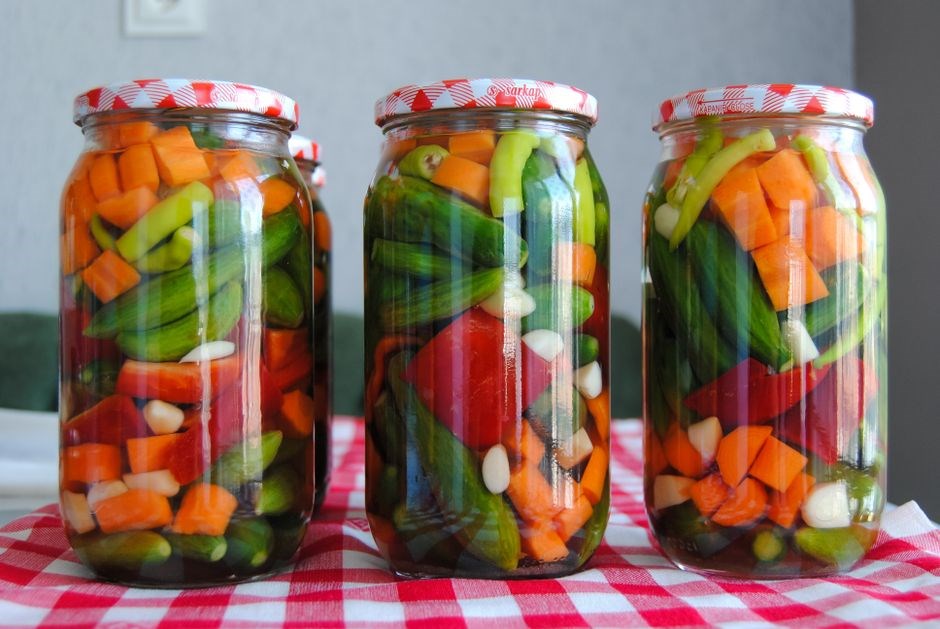
This canner’s design supports pressure‑rated jars, letting you preserve sauces and pickles safely.
Presto’s pressure canner offers a blend of safety, convenience, and durability that sets it apart from other home‑preservation tools. Its stainless‑steel construction resists rust and corrosion, ensuring a long life even with frequent use. The built‑in safety valve automatically releases excess pressure, preventing accidental over‑pressurization. The canner’s venting system keeps the air seal intact while allowing steam to escape, reducing the risk of jar breakage. The removable inner pot is dishwasher‑safe, simplifying cleanup and minimizing maintenance time. The canner’s compact footprint makes it suitable for small kitchens, while its lightweight design allows for easy storage and transport. By using the correct pressure settings, the canner achieves temperatures high enough to kill bacterial spores in low‑acid foods, giving you confidence that your preserves are safe for long‑term storage. The canner’s versatility extends to a wide range of foods—from fruits and vegetables to meats and seafood—making it an all‑in‑one solution for home preservation enthusiasts. Its user‑friendly interface encourages experimentation with new recipes and saves energy and time.
Additionally, the canner’s ergonomic handle and heat‑resistant silicone gasket provide a secure grip and a tight seal, preventing leaks during the high‑pressure cycle. The canner’s pressure regulator is calibrated to maintain consistent pressure across a range of altitudes, so you can adjust cooking times based on your location. With a clear, durable lid, you can easily see the water level and ensure proper coverage of the jars; The canner’s design also supports the use of pressure‑rated jars, so you can safely preserve sauces, pickles, and even high‑acid foods without compromising safety. The manufacturer’s warranty covers defects in materials and workmanship, and customer support offers troubleshooting guides for common issues such as uneven pressure or slow heating. By investing in a Presto pressure canner, you gain a reliable, cost‑effective method for preserving seasonal produce and reducing food waste.

Preparing and Safety Precautions
Before use, inspect the canner for cracks, ensure the pressure valve is intact, and clean the lid gasket. Assemble the pot and lid, fill the water reservoir to the marked line, and place jars with proper headspace. Verify the seal, set the pressure, and follow the manual’s safety steps. Always check gauge.!!
Initial Inspection and Proper Assembly
Begin by inspecting the canner for any visible damage such as cracks, dents, or corrosion on the body, lid, and pressure valve. Use a flashlight to examine the gasket and ensure it is free of tears or hardening. Verify that the pressure release valve is functioning by gently lifting it; it should move freely and return to its seat. Check the rubber seal on the lid for uniform thickness and absence of air pockets. Next, assemble the canner by placing the pot onto the base, ensuring it sits level. Insert the water reservoir and fill it to the minimum line indicated on the inside of the pot. Secure the lid, aligning the pressure valve with the base, and tighten the locking ring until the canner is fully sealed. Finally, run a short test cycle with a dry pot to confirm that the pressure gauge reads correctly and that no leaks occur. After the test cycle, allow the canner to cool completely before opening the lid. Inspect the pressure gauge for any abnormal readings and verify that the valve has returned to its normal position. If any leaks are detected, shut off the heat source, let the canner cool, and recheck the gasket and seal. For optimal performance, replace the gasket annually or whenever it shows signs of wear, such as cracks, brittleness, or unevenness. Store the canner in a dry place, away from direct sunlight, and keep the lid and pot clean and dry between uses to prevent rust and maintain safety. Remember to always consult the manufacturer’s safety instructions before each use and stay OK .
Ensuring Correct Seal and Lid Placement
Before each cooking session, verify that the lid’s rubber gasket is seated properly and free of debris. Place the lid on the pot with the pressure valve facing upward, aligning the valve with the base’s threaded opening. Tighten the locking ring clockwise until the lid clicks into place, ensuring a snug fit. Check the pressure gauge for a steady reading; a sudden drop indicates a poor seal. If the gauge fluctuates, remove the lid, inspect the gasket for cracks or hardening, and replace it if necessary. After reassembly, perform a quick pressure test by heating the pot with a small amount of water. Once the gauge reaches the recommended pressure, hold the valve for 15 seconds to confirm the seal’s integrity. If the pressure drops during this hold, release the pressure, let the canner cool, and repeat the inspection. Proper seal maintenance extends the canner’s lifespan and guarantees food safety. Store the lid in a dry, cool area, and clean the gasket with mild soap and warm water after each use, drying it thoroughly before reassembly. Regular inspection and correct placement are essential for safe, efficient pressure canning. When placing the lid, ensure the valve sits flush and is free of food debris. Tighten the locking ring until the lid clicks, then give a gentle twist to confirm a snug fit. If the seal feels loose, readjust by tightening further. Keep a spare gasket handy; replace it at the first sign of brittleness to maintain safety. Stay safe! Enjoy Adhering to these guidelines guarantees safe, quick canning that yields tasty high‑quality results for months‑long!
Cooking Process and Timing
Set the canner to the recommended pressure, then add the filled jars. Use the chart for each food type to determine exact minutes. Maintain steady pressure, monitor the gauge, and stop heating once the timer ends. Cool naturally before opening. Keep jars cool after use!
Selecting Appropriate Cooking Times for Various Foods
When using a Presto pressure canner, accurate timing is essential for safety and quality. Begin by consulting the manufacturer’s chart, which lists recommended minutes for each food category at 10 psi. For high‑acid items such as tomatoes, pickles, and fruit preserves, the times range from 10 to 20 minutes. Low‑acid foods—meats, poultry, beans, and vegetables—require longer periods, typically 35 to 55 minutes. Adjustments for altitude are also crucial; for every 1,000 ft above sea level, add 5 minutes to the listed time. Before starting, ensure the canner’s pressure gauge reads steady at the target pressure; a fluctuating gauge may indicate a seal problem. After the timer elapses, allow the canner to cool naturally for at least 15 minutes before opening, as sudden pressure release can cause jar breakage. By following these guidelines, you’ll achieve consistent, safe preservation results with your Presto canner.
For poultry, use 35 minutes for whole birds and 20 minutes for pieces. Beef and pork benefit from 45 minutes, while fish requires only 10 minutes. Beans and legumes need 55 minutes, but can be pre‑soaked to reduce time. Soups and stews should be cooked for 30 minutes, ensuring the liquid reaches boiling before sealing. Always check the lid seal after each batch; a properly seated lid prevents leaks. If the canner’s pressure gauge drops during cooking, pause, re‑seal, and resume once pressure stabilizes. Documenting each batch’s specifics aids in troubleshooting and ensures repeatability.
Remember to use a timer and a pressure gauge simultaneously; the gauge confirms that the canner has reached the correct pressure before timing begins. If the gauge never stabilizes, inspect the gasket and lid for wear. Proper maintenance keeps the canner reliable year after year. All steps safe.
Maintaining Proper Pressure and Altitude Adjustments
Maintaining the correct pressure inside a Presto pressure canner is the cornerstone of safe canning. Begin by verifying the pressure gauge reads 10 psi after the canner has reached full pressure. If the gauge reads lower, the lid may not be seated correctly or the gasket could be worn. Use the manual finder on GoPresto to confirm the gasket’s condition and replace it if the seal shows any cracks or soft spots. Once the pressure is stable, start the timer immediately; do not wait for the gauge to fluctuate. For altitude adjustments, add 5 minutes to the recommended time for every 1,000 ft above sea level. For example, at 3,000 ft, increase the cooking time by 15 minutes. If you are below sea level, reduce the time by 5 minutes per 1,000 ft. Always double‑check the altitude table in the Presto manual before cooking. After the timer ends, allow the canner to cool naturally for at least 15 minutes before opening. Rapid pressure release can cause jars to shatter. If the canner’s pressure drops during cooking, pause the process, re‑seal the lid, and resume once the gauge stabilizes. Documenting each batch’s pressure readings and altitude adjustments helps troubleshoot inconsistencies and ensures repeatable results. By following these steps, you’ll preserve food safely and efficiently, regardless of your location or elevation.
Keep a log of pressure readings for each batch; if irregularities appear, pause canning and consult the Presto manual or support. This practice ensures safety and quality for every batch and keep records.!!

Post-Cooking, Safety, and Maintenance
After cooking, let the canner cool for at least 15 minutes before opening. Check the lid seal for leaks, then remove jars with a jar lifter. Store jars in a cool, dark place. Clean the canner with warm soapy water, dry thoroughly, and oil the gasket to prevent rust. Inspect gasket; replace if needed. now!
Safe Pressure Release, Temperature Checks, and Storage
After the pressure cycle ends, allow the canner to depressurize naturally for 10–15 minutes. If you need a quicker release, use the quick‑release valve, but be careful of steam jets. Once the gauge reads 0 psi, remove the lid with a jar lifter, keeping the lid on the canner. Inspect the sealed edges of each jar for a proper “pop” and no bulging. Use a thermometer to confirm the internal temperature of the contents; it should be at least 200 °F (93 °C) for most canned foods. If the temperature is below this threshold, return the jar to the canner for additional time. After cooling, label each jar with the date and contents, then store in a cool, dry place away from direct sunlight. For long‑term storage, keep jars in a pantry or cellar at 50–70 °F (10–21 °C). Avoid storing in humid areas to prevent mold growth. When retrieving jars, always check for any signs of spoilage—off odor, discoloration, or bulging lids—before consumption. Proper storage extends shelf life and ensures safety.
During a temperature check, insert a calibrated thermometer into the jar’s center, avoiding contact with glass. The probe should read the recommended temperature for that food; any deviation signals under‑cooking or over‑cooking. Log the reading for future reference. For storage, rotate jars using first‑in, first‑out, and keep the pantry organized. Label leftovers with dates. If condensation appears after storage, discard the contents to prevent bacterial growth. Inspect the gasket annually and replace it to maintain pressure integrity.
!
Routine Cleaning, Rust Prevention, and Troubleshooting Common Issues
After each use, disassemble the canner, rinse the pot, lid, and gasket with warm soapy water, and dry thoroughly. Avoid abrasive scrubbers that can damage the stainless‑steel surface. For stubborn residue, soak in a mild vinegar solution (1:4 vinegar to water) and scrub gently. Rinse and dry immediately to prevent mineral buildup.
To prevent rust, apply a thin coat of food‑grade mineral oil to the metal surfaces after drying. Store the canner in a dry cabinet; if you live in a humid climate, consider a dehumidifier. Check the gasket for cracks or hardening; replace it every 12 months or if it no longer seals properly.
Common issues include a stuck lid, low pressure, or uneven heating. If the lid does not seal, verify that the gasket is seated correctly and that the lid’s locking ring is clean. Low pressure often indicates a faulty pressure regulator; check the gauge needle and ensure the pressure valve is fully open. Uneven heating can be caused by improper jar placement—ensure jars are not touching the pot walls and that the water level is adequate.
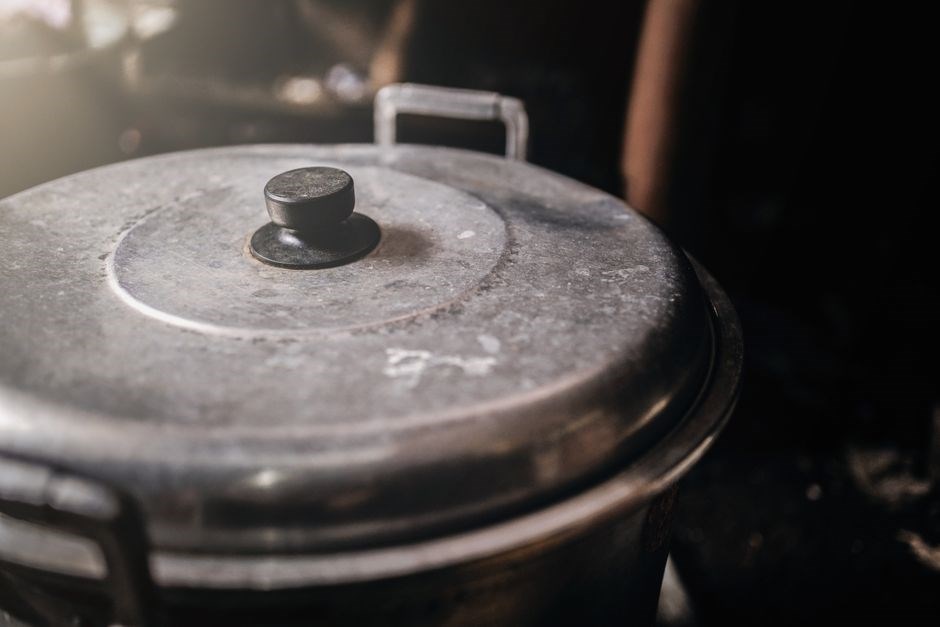
When troubleshooting, consult the user manual for error codes and recommended fixes. If problems persist, contact Presto support or visit the official manual finder at Presto Manual Finder for detailed guidance.
Regular maintenance also includes inspecting the pressure valve for smooth operation, ensuring the vent is free of debris, and verifying the safety latch engages correctly. Document irregularities in a maintenance log to track performance annually!!!
Warranty, Customer Support, and Replacement Parts
Presto’s pressure canner turns everyday cooking into a safe, efficient preservation method. Assemble the canner, set the pressure gauge, and choose proper cooking times for fruits, meats, and vegetables. Verify the seal before heating for safety.
Customer service is available Monday through Friday, 9 a.m. to 5 p.m. local time. Representatives help troubleshoot common problems, provide repair instructions, and verify warranty eligibility. For urgent inquiries, use the toll‑free number on the product packaging;
Replacement parts are sold directly by Presto and authorized retailers. The gasket, pressure regulator, and safety latch are available as individual components. Order online at Presto Parts Store or call the parts department. Shipping is free for orders over $50; otherwise, a flat fee of $5 applies. All parts are certified to meet safety standards and fully tested!!! OK!
When ordering a replacement, ensure you have the exact model number and serial number to avoid compatibility issues. Presto’s parts catalog includes diagrams and compatibility charts. If a part no longer exists, the support team can recommend a suitable alternative or a refurbished unit.
For extended coverage, Presto offers a 3‑year service plan that includes annual inspections, priority shipping, and a 10 % discount on future parts purchases. The plan can be bought at the time of sale or added later through the support portal. Terms and conditions apply; see the full policy on the website.