
Monthly Archive January 23, 2026

Bykyler

best ram pump design pdf

Hydraulic ram pumps offer a sustainable solution‚ utilizing falling water’s energy to elevate a portion to greater heights – a blessing for rural communities and farmers.

These pumps‚ with minimal moving parts‚ boast economical purchase and installation‚ alongside readily available design plans‚ ensuring longevity and reliable operation.

The unique design harnesses a continuous water flow for automatic‚ energy-source-independent operation‚ making them ideal for diverse applications‚ including those in Afghanistan.

What is a Hydraulic Ram Pump?

A hydraulic ram pump‚ also known as an impulse pump or hydram‚ is a remarkably simple yet effective device. It’s a cyclic water pump powered entirely by hydropower‚ requiring no external energy source for continuous operation. This ingenious machine leverages the energy of a falling column of water to lift a portion of that water to a higher elevation – often significantly higher than the source.

Unlike conventional pumps‚ the hydraulic ram operates on the principle of water hammer. It doesn’t directly ‘pump’ water; instead‚ it utilizes the momentum of a flowing water column to create pressure. This pressure is then used to lift water upwards. The core functionality relies on just two moving parts‚ contributing to its durability and minimal maintenance requirements.

Essentially‚ it takes in water at one hydraulic head and flow rate‚ and outputs water at a higher hydraulic head‚ but with a reduced flow rate. This makes it particularly well-suited for applications where a smaller volume of water is needed at a considerable height‚ such as supplying water to rural homes or irrigation systems.

Historical Context and Development

The origins of the hydraulic ram pump trace back to the mid-18th century‚ with early iterations appearing in France and England. While the precise inventor remains debated‚ John Joseph Bramah patented an improved version in 1797‚ significantly advancing the technology. Throughout the 19th century‚ ram pumps gained popularity‚ particularly in rural areas lacking access to electricity‚ providing a reliable water supply for domestic use and agriculture.

Further development occurred throughout the 20th century‚ with refinements in materials and design aimed at increasing efficiency and durability. Organizations like the DTU (Development Technology Unit) at the University of Warwick have played a crucial role in researching and promoting appropriate technologies‚ including ram pumps‚ for developing countries.

Modern advancements focus on optimizing designs for specific applications‚ such as the WOT ram pump tailored for very small-scale needs‚ utilizing standard components. The enduring appeal lies in its simplicity‚ low cost‚ and zero running cost‚ making it a timeless solution for water lifting.
Advantages of Ram Pumps (Zero Running Cost)

The most significant advantage of hydraulic ram pumps is their zero running cost. Unlike electric or fuel-powered pumps‚ they require no external energy input after initial installation. This makes them exceptionally economical‚ particularly in remote locations where fuel or electricity are expensive or unavailable. The pumps operate automatically and continuously with a consistent water flow‚ eliminating the need for manual intervention or ongoing expenses.

Furthermore‚ ram pumps boast remarkable simplicity‚ featuring only two moving parts‚ minimizing wear and tear and reducing maintenance requirements. Their robust construction ensures a long operational lifespan‚ providing a reliable water supply for decades. This durability‚ coupled with low initial investment and the absence of running costs‚ makes them a sustainable and cost-effective solution.

They are especially beneficial for rural communities‚ farmers‚ and middle-class households seeking an independent and affordable water source‚ contributing to improved livelihoods and self-sufficiency.

Basic Principles of Operation

Ram pumps leverage the power of water hammer – utilizing the momentum of flowing water to generate pressure and lift a portion to a higher elevation.

This cyclic process relies on key components working in harmony‚ automatically and continuously‚ without needing external energy sources for operation.

How Ram Pumps Utilize Water Hammer

Hydraulic ram pumps ingeniously exploit the phenomenon of water hammer‚ a pressure surge created when fluid flow is abruptly halted. This principle forms the core of their operation‚ transforming kinetic energy into potential energy.

Initially‚ water flows steadily through the supply pipe‚ gaining momentum. When the waste valve suddenly closes‚ this flow is arrested‚ generating a pressure wave that travels back through the pipe.

This pressure wave then activates the delivery check valve‚ forcing a portion of the water into the delivery pipe‚ which leads to a higher elevation. Simultaneously‚ the momentum change causes a pressure drop‚ reopening the waste valve and initiating a new cycle.

The continuous repetition of this cycle – flow‚ stoppage‚ pressure surge‚ and delivery – allows the pump to lift water continuously with minimal external power. The efficiency of this process is directly related to the careful design and optimization of the pump’s components.

Key Components and Their Functions

A hydraulic ram pump’s functionality relies on a few crucial components working in harmony. The supply pipe delivers water from the source‚ while the waste valve regulates the flow‚ initiating the water hammer effect.

The air chamber‚ a vital element‚ cushions pressure surges‚ smoothing the delivery flow and protecting the system from damage. It acts as a pressure accumulator‚ ensuring a consistent output.

Delivery check valves allow water to flow only in one direction – upwards to the destination. These valves open and close in response to pressure fluctuations created by the water hammer.

Finally‚ the delivery pipe transports the pumped water to the desired elevation. Proper design of each component‚ including pipe diameters and valve responsiveness‚ is critical for optimal performance and longevity of the ram pump system.

Cyclic Operation Explained

The hydraulic ram pump operates on a fascinating cyclic process. Initially‚ water flows through the supply pipe‚ opening the waste valve and accelerating the water column.

As velocity increases‚ the waste valve abruptly closes‚ creating a sudden pressure surge – the water hammer. This surge forces water past the delivery check valve‚ sending it upwards.

The momentum slows‚ the delivery valve closes‚ and the waste valve reopens‚ initiating the cycle anew. This continuous process‚ driven solely by the water’s kinetic energy‚ allows for automatic and continuous pumping.

The air chamber plays a crucial role in moderating these pressure fluctuations‚ ensuring a smoother‚ more consistent delivery. Understanding this cycle is key to effective design and troubleshooting of ram pump systems.
Ram Pump Design Parameters

Design hinges on drive and lift head considerations‚ alongside precise flow rate and efficiency calculations for optimal performance.

Optimizing pipe diameter and length is crucial‚ influencing water hammer and overall system effectiveness‚ as detailed in available design resources.

Drive Head and Lift Head Considerations

Drive head‚ the vertical distance between the water source and the pump‚ is a primary design parameter; a sufficient drive head is essential for generating the necessary water hammer effect to power the pump.

Conversely‚ the lift head represents the vertical distance the water needs to be raised to its destination. A crucial balance must be struck between these two – the drive head must significantly exceed the lift head for efficient operation.

Generally‚ a drive head-to-lift head ratio of at least 7:1 is recommended‚ though this can vary depending on the specific design and pipe characteristics.

Careful consideration of these heads‚ alongside pipe length and diameter‚ is vital when reviewing design PDFs and implementing a successful ram pump system. Insufficient drive head will result in pump failure‚ while excessive lift head reduces efficiency.

Detailed design methodologies‚ like those for HYDRAM‚ emphasize accurate head calculations for optimal performance and long-term reliability.

Flow Rate and Efficiency Calculations

Determining the flow rate – the volume of water delivered per unit of time – is critical in ram pump design‚ directly impacting its usefulness for irrigation or water supply.

Efficiency‚ however‚ is inherently limited; ram pumps output a smaller volume of water at a higher head than the input‚ meaning overall efficiency is typically low‚ often between 20-40%.

Calculating efficiency involves comparing the energy input (from the falling water) to the energy output (the lifted water)‚ accounting for losses due to friction and water hammer effects.

Design PDFs often provide formulas and charts to estimate flow rate based on drive head‚ lift head‚ and pipe dimensions. Accurate calculations are essential for matching the pump’s output to the specific application’s needs.

Optimizing pipe diameter and length‚ as detailed in generalized design procedures‚ can help maximize efficiency within the constraints of the system.

Pipe Diameter and Length Optimization

Pipe diameter significantly influences ram pump performance; a smaller diameter increases water velocity‚ enhancing the water hammer effect‚ but also increases friction losses.

Conversely‚ a larger diameter reduces velocity and friction but may diminish the water hammer‚ potentially lowering lift capacity. Finding the optimal balance is crucial.

Pipe length also plays a vital role. Shorter lengths minimize friction losses‚ improving efficiency‚ while excessively long lengths can reduce the drive pressure and overall output.

Design PDFs often present charts and calculations to determine the ideal pipe diameter and length based on drive head‚ lift head‚ and desired flow rate.

Generalized design methodologies emphasize iterative adjustments to these parameters to maximize performance‚ considering site-specific conditions and available materials for construction.
Detailed Design Methodology

Hydram design involves a generalized procedure‚ utilizing parameters‚ mathematical relationships‚ and iterative adjustments for optimal performance‚ as detailed in available design PDFs.

These resources guide engineers and builders through calculations for drive head‚ lift‚ flow rate‚ and component sizing for efficient operation.

Generalized Design Procedure for HYDRAM

HYDRAM design begins with defining site-specific parameters: available water source head (vertical drop) and flow rate‚ desired lift height‚ and required output flow. Detailed design PDFs provide crucial guidance. Initial calculations estimate the necessary waste valve size and stroke length‚ impacting pump efficiency.

Next‚ determine the drive pipe length and diameter – optimization is key‚ balancing friction losses with water hammer effects. The air chamber volume is calculated to cushion pressure surges‚ ensuring smooth operation. Iterative adjustments are often needed‚ refining these parameters based on mathematical models found in comprehensive design resources.

Consider material selection for durability and cost-effectiveness. The design procedure emphasizes careful component sizing and proper installation to maximize performance and minimize maintenance. Referencing established design guides‚ like those available as PDFs‚ is essential for successful implementation‚ particularly for complex systems or challenging site conditions.

Mathematical Relationships Used in Design

HYDRAM design relies heavily on several key equations. The water hammer equation‚ derived from momentum principles‚ dictates maximum pressure and is crucial for sizing the air chamber and pipes. Flow rate calculations utilize Bernoulli’s principle and Darcy-Weisbach equation to account for friction losses within the drive and delivery lines.

Efficiency estimations employ ratios of output flow to input flow‚ factoring in head losses and valve timing. Waste valve discharge time is mathematically linked to drive pipe length and diameter‚ influencing pump cycle frequency. Detailed design PDFs often present these relationships in a readily applicable format.

Empirical formulas‚ refined through experimentation‚ further enhance accuracy. Understanding these mathematical underpinnings‚ readily available in comprehensive design documentation‚ is vital for optimizing performance and ensuring a robust‚ reliable ram pump system. Accurate calculations are paramount for successful implementation.

Design for Small-Scale Applications (WOT Ram Pump)

The WOT ram pump design‚ originating from the University of Warwick’s DTU‚ specifically targets very small-scale water lifting needs. It prioritizes the use of standard‚ readily available components‚ simplifying construction and maintenance‚ particularly in resource-limited settings.

This approach makes it ideal for individual farms or rural households. Detailed design PDFs for the WOT pump emphasize simplicity and affordability‚ often featuring clear diagrams and step-by-step construction guides. Key considerations include minimizing pipe lengths and utilizing locally sourced materials where possible.

The WOT pump’s effectiveness stems from its optimized valve arrangement and careful selection of pipe diameters. Accessing these design resources empowers local communities to build and maintain their own sustainable water solutions‚ fostering self-reliance and improving access to vital resources.

Ram Pump Types and Variations

Ram pump variations‚ like the Papa hydraulic ram‚ differ in valve arrangements‚ impacting efficiency. Design PDFs detail these distinctions‚ offering options for diverse applications and water sources.

Papa Hydraulic Ram Pump Valve Arrangement

The Papa hydraulic ram pump distinguishes itself through a specific valve arrangement crucial to its cyclic operation. This design‚ often detailed in comprehensive design PDFs‚ features a waste valve and delivery valve working in sequence. Initially‚ the waste valve remains open‚ allowing water to accumulate and build momentum within the ram’s air chamber.

As water velocity increases‚ the waste valve eventually closes due to the water hammer effect‚ initiating a pressure surge. This surge forces the delivery valve open‚ propelling water upwards to the desired elevation. Subsequently‚ the pressure diminishes‚ the delivery valve closes‚ and the cycle restarts with the waste valve opening again.

Understanding this precise valve timing‚ often illustrated in design schematics found in PDF resources‚ is paramount for optimal performance. The Papa ram’s simplicity and effectiveness make it a popular choice‚ and detailed design guides provide the necessary information for construction and maintenance. These PDFs often include diagrams and calculations for proper valve sizing and placement.

Comparison of Different Ram Pump Designs

Various ram pump designs exist‚ each with unique characteristics impacting efficiency and suitability for specific applications. Detailed design PDFs often compare the traditional‚ simpler designs like the Papa ram with more complex variations. The WOT ram pump‚ for instance‚ is specifically tailored for very small-scale applications‚ utilizing standard components for ease of construction‚ as outlined in available resources.

HYDRAM‚ a generalized design methodology‚ aims for broader applicability‚ offering a systematic approach to parameter selection and calculation. Comparing these‚ PDFs highlight trade-offs between complexity‚ cost‚ and performance. Factors like drive head‚ lift head‚ and flow rate significantly influence design choice.

Ultimately‚ the “best” design depends on the specific context. PDFs detailing Afghan applications demonstrate adaptations for local conditions. Careful consideration of these comparisons‚ aided by comprehensive design documentation‚ is crucial for selecting the most appropriate ram pump for a given need.

Applications in Afghanistan and Rural Areas

Hydraulic ram pumps are particularly impactful in regions like Afghanistan and other rural areas where access to electricity is limited and a reliable water source exists. These pumps provide a sustainable solution for irrigation‚ livestock watering‚ and domestic use‚ improving livelihoods without ongoing energy costs.

Design PDFs focusing on Afghan applications often detail adaptations for local materials and construction capabilities. The DTU (University of Warwick) research unit actively promotes appropriate technologies for such contexts‚ offering valuable insights into successful implementations.

Rural communities benefit from the pumps’ simplicity and minimal maintenance requirements. Accessing design resources‚ including those in PDF format‚ empowers local technicians to build‚ install‚ and repair these vital systems. The zero running cost is a significant advantage‚ fostering self-sufficiency and long-term sustainability in water management.

Accessing Ram Pump Designs (PDF Resources)

Numerous online resources offer hydraulic ram pump designs in PDF format‚ catering to various scales and applications. The WOT ram pump design‚ specifically for small-scale use‚ utilizes standard components and is readily available for download‚ simplifying construction for individuals and communities.

Searching for “hydraulic ram pump design PDF” yields results from universities‚ NGOs‚ and individual researchers. Resources from the DTU (University of Warwick) provide comprehensive guidance‚ including detailed schematics and installation instructions.

Furthermore‚ exploring websites dedicated to appropriate technology and sustainable development often hosts valuable design documentation. These PDFs frequently include mathematical relationships and generalized design methodologies‚ like those for HYDRAM‚ enabling users to tailor the pump to their specific needs. Careful evaluation of the source and application context is crucial when selecting a design.


Bykyler

suit color guide

The Ultimate Suit Color Guide

This comprehensive guide helps you master suit colors, exploring the full spectrum to understand how each shade defines style, shapes perception, and influences presence, enabling confident selection for any occasion, skin tone, and season․

The Foundation of Your Wardrobe: Essential Suit Colors

Building a robust and versatile suit collection begins with a solid foundation of essential colors․ These foundational shades are strategic tools that support the rhythm of daily life, from professional settings to formal events and evening moments․ They are crucial for beginners creating their first suit wardrobe and for seasoned wearers looking to expand wisely, offering a clear picture for color combinations․ Understanding which suit colors form this backbone is paramount for achieving timeless elegance and ensuring you’re prepared for any occasion․ These core colors are not just about personal style; they also convey different messages, shaping perception and influencing presence before a word is spoken․ They offer unparalleled versatility, allowing for numerous shirt and tie combinations, and are extremely easy to match․ Focusing on these fundamental hues ensures that your wardrobe remains sharp, stylish, and adaptable․ They are the initial investments that provide the greatest return in terms of utility and sartorial confidence․ A well-chosen foundational suit color can make a man look more youthful, or provide a grounded, professional presence․ These colors serve as your go-to options, providing depth, refinement, and structure to your overall look, essential for any intentional wardrobe․

Navy Blue: The Versatile Cornerstone

Navy blue undoubtedly holds its place as the most versatile suit color and the undisputed backbone of any modern suit collection․ This essential shade brings significant depth without dominance, making it perfectly suitable for an extensive range of occasions, from critical business engagements and professional settings to elegant weddings and formal events․ Its cultivated, flexible, and always appropriate nature makes it a cornerstone of timeless tailoring, frequently highlighted by highly respected suit brands․ Choosing navy blue ensures you have an adaptable garment that effortlessly transitions between different environments․ Interestingly, navy suits can even impart a more youthful appearance, adding to their broad appeal․ This foundational suit color is crucial for any intentional wardrobe, providing a sophisticated and universally accepted aesthetic․ Its adaptability allows for countless shirt and tie pairings, making it incredibly easy to coordinate․ Opting for navy blue guarantees a sharp, polished look that embodies both tradition and contemporary style, serving as a strategic tool for diverse sartorial needs․

Charcoal Gray: Professionalism and Approachability

Charcoal gray stands as a cornerstone in any sophisticated wardrobe, embodying both professionalism and approachability with its grounded presence․ This suit color is exceptionally ideal for professional environments and formal occasions where a sense of subtle authority and refinement is paramount, offering a structured look that commands respect․ Unlike navy blue, charcoal gray does not carry the same youthful association, making it a reliable and universally appropriate choice for all ages and settings․ It masterfully balances a commanding presence with an inviting demeanor, consistently delivering a polished and thoughtful appearance․ One of its most significant advantages lies in its remarkable versatility and ease of matching with other garments․ As charcoal gray firmly resides on the grayscale, a neutral territory, it harmonizes effortlessly with a vast array of colors for shirts and ties․ This allows gentlemen to be more adventurous with their accessory choices, enabling diverse stylistic expressions without compromising the suit’s inherent elegance․ Charcoal suits pair easily with other neutrals and bolder accents, making them a highly practical and strategic selection for any discerning individual seeking to elevate their style with understated confidence․ This timeless color ensures you always project an image of thoughtful competence and understated class․

Black Suits: Precision for Formal Events

Black suits define precision and control, making them essential for the most formal occasions․ They are sharp, direct, and unapologetically bold, serving as the quintessential choice for an unmistakable statement of elegance and seriousness․ Primarily reserved for evening wear, galas, and strict black-tie events, this suit color communicates profound structure and formality unmatched by other shades․ Black delivers a definitive presence, ensuring the wearer stands out with dignified authority and timeless style․ While its main role is in highly formal settings, a black suit also offers versatility within a well-curated wardrobe for those seeking classic pieces that transcend trends․ It must be chosen with care, worn with ease, and rotated with intention․ Understanding black’s contribution to men’s suit styles is crucial: it signals purpose and influences presence before a word is spoken․ This precision makes black suits indispensable for moments demanding absolute sophistication, such as high-stakes business functions or significant life events, where an aura of solemnity and impeccable style is paramount․ This deep tone sets a foundation for a look that is both classic and commanding, projecting confidence effortlessly․

Beyond the Basics: Expanding Your Suit Collection

Once your wardrobe is anchored by foundational navy, charcoal, and black suits, the exciting journey of expanding your collection begins․ This phase moves beyond essentials, exploring a rich spectrum of colors introducing distinct character and individuality․ Strategic expansion allows purposeful selection of bolder tones, confidently departing from standard neutrals․ Consider shades offering sharp energy, tasteful distinction, or vintage sophistication, ideal for diverse settings like creative industries or less conventional gatherings․ Other vibrant options provide creative elegance or refined lightness for warm seasons and destination events․ This isn’t merely about accumulating; it’s choosing shades to enhance personal style and broaden sartorial horizons․ Each new color, chosen with care and rotated with intention, prepares you for varied occasions, ensuring sharpness and style beyond convention․

Tan and Beige Suits: Lightness for Warm Seasons

Tan and beige suits embody a distinct lightness and ease, making them indispensable choices for warm seasons and outdoor events․ These sophisticated shades offer a relaxed yet refined aesthetic, perfectly suited for spring and summer gatherings, garden parties, or destination weddings․ Unlike darker, more traditional suit colors, tan and beige exude a breathable presence and natural warmth, conveying an understated elegance․ They are excellent for those seeking to step away from the conventional while maintaining a polished appearance․ When paired with crisp white shirts, light blue dress shirts, or even soft pastels, tan and beige suits create a clean, fresh silhouette․ This combination ensures comfort and impeccable style under the sun, reflecting a sophisticated understanding of seasonal dressing․ Opting for lighter fabrics like linen or cotton further enhances their suitability for warmer climates, providing both comfort and an effortlessly stylish look․ Their ability to project a relaxed formality makes them a versatile addition, elevating your wardrobe for any sun-drenched occasion, from casual-formal events to more refined daytime celebrations, standing out quietly with natural warmth․

Brown Suits: Richness and Vintage Sophistication

Brown suits offer unparalleled richness and warmth, instantly infusing a distinct vintage vibe into contemporary styling, setting them apart from common navy and charcoal․ This versatile color family spans an impressive spectrum, from sophisticated light mocha and camel to deep, luxurious chocolate and espresso tones; each shade contributes to a relaxed yet profound sophistication․ Brown is exceptionally well-suited for cooler months, particularly fall, where its earthy depth beautifully complements the season’s natural palette, adding significant texture and inviting warmth to any seasonal wardrobe․ Beyond autumn, brown suits can also be styled effectively for certain spring days or for evening events desiring a refined, grounded presence․ They present an excellent, characterful alternative for those seeking to expand their suit collection beyond basic neutrals, offering unique individuality without being overtly ostentatious․ Brown suits pair wonderfully with a diverse range of shirt colors, from crisp whites and light blues to subtle patterns, textured fabrics, or even deeper greens and burgundies, allowing for creative, personalized combinations․ This choice communicates a thoughtful, individualistic approach to dressing, embracing a classic aesthetic with modern sensibilities․ The inherent warmth of brown makes it an inviting, approachable option, perfect for professional settings and social gatherings where a touch of vintage charm is appreciated, culminating in a distinguished and memorable look․

Olive Green Suits: Earthy Depth and Individuality

Olive green suits introduce a distinctive depth with their grounded, earthy tone, making them a superb choice for those seeking to express individuality․ This suit color masterfully blends a tailored structure with an inherent sense of unique character, providing a refreshing alternative to the more conventional navy blue, charcoal gray, or black suits․ It’s particularly ideal for the fall season, where its rich, natural hues harmonize beautifully with the autumn landscape, creating a cohesive and stylish ensemble․ Beyond fall, olive green excels in casual-formal events, weekend gatherings, or creative professional environments where a subtle statement is desired․ It adds character without being overly flashy or disruptive, allowing the wearer to stand out with understated confidence․ Pairing an olive suit with crisp white shirts offers a clean, sharp contrast, while light blue or cream shirts can soften the look․ For ties, consider shades of burgundy, navy, or even subtle patterns that incorporate brown or gold to enhance its earthy quality․ Footwear in brown leather, from Oxfords to loafers, complements the suit’s warmth perfectly, completing an ensemble that speaks to thoughtful style․ An olive green suit is a strategic tool, demonstrating a keen eye for color and a willingness to embrace distinction within a tailored framework, ensuring a memorable and sophisticated presence․

Burgundy Suits: Tasteful Boldness and Distinction

Burgundy suits make a truly tasteful statement, exuding a controlled boldness that sets them apart from conventional choices․ This rich and expressive hue introduces a profound sense of distinction, perfect for those moments when you wish to project confidence without resorting to overt flashiness․ It offers a sophisticated departure from the usual neutral palettes of navy, gray, or black, adding a layer of depth and personality to your tailored ensemble․ Burgundy is an exceptional choice for evening events, where its luxurious tone can truly shine under ambient lighting, creating a memorable impression․ Furthermore, it’s ideally suited for creative industries, where a touch of individuality is not only accepted but often celebrated․ Weddings with a unique theme or a desire for a personalized touch also benefit greatly from a burgundy suit, allowing the wearer to stand out with elegant charm․ When styling, pair it with a crisp white shirt for maximum contrast, or a light pink or black shirt for a more cohesive, modern look․ Ties in dark green, navy, or even patterned silks incorporating gold can elevate the outfit further․ Brown or black leather shoes, depending on the formality and overall aesthetic, will complete this distinguished look․ A burgundy suit is a powerful tool for expressing individuality and refined taste, ensuring a confident and stylish presence․

Royal Blue Suits: Sharp Energy and Stylish Edge

Royal blue delivers sharp energy with a distinct stylish edge, making it an exceptional choice for those who desire to make a statement․ This suit color commands attention without overwhelming the look, striking a sophisticated balance between vibrancy and refinement․ Vivid yet polished, royal blue brings an undeniable brightness to your wardrobe, offering a confident and intentional alternative to more traditional suit colors․ It is consistently event-ready, ensuring you appear sharp and impeccably dressed for a variety of occasions, from business meetings to social engagements and celebratory events․ The inherent dynamism of royal blue lends itself to diverse styling possibilities․ For a classic, impactful look, pair it with a crisp white dress shirt․ Alternatively, light pink or patterned shirts with subtle textures can introduce further personality․ When it comes to ties, silver, deep red, or even gold tones can beautifully complement the royal blue․ Brown leather shoes, such as Oxfords or monk straps, typically enhance the richness of the blue, adding warmth and a touch of sartorial flair, while black shoes provide a more formal, streamlined finish․ This shade ensures a memorable and stylish presence․

Forest Green Suits: Deep Tones for Cold Weather

Forest green suits offer a bold take on formality, defined by a deep, natural tone․ This fall suit color stands out with intention, presenting a sophisticated alternative to traditional dark hues․ Its grounded yet expressive character makes it ideal for settings, particularly evening events or cold-weather occasions․ A forest green suit brings remarkable richness to any palette, creating an aura of refined taste and individuality․ When chosen for cooler months, it exudes warmth and a unique sartorial statement․ To maximize its impact, pair with complementary textures and colors․ A crisp white or light blue dress shirt provides a classic foundation; a charcoal turtleneck offers sophisticated warmth․ Ties in deep burgundy, navy, or subtle gold enhance its earthy depth․ Brown leather shoes, like brogues or Chelsea boots, complement its natural warmth․ For formal contrast, black shoes are suitable․ This shade beautifully embodies deep tones for cold weather․

Plum and Deep Purple Suits: Creative Elegance

Plum and deep purple suits introduce a rich, creative tone to classic tailoring, offering a distinct blend of elegance and individuality that truly sets a wearer apart․ This sophisticated hue is ideal for fashion-forward events, evening wear, or any occasion where making a memorable statement with an air of confident attitude is desired․ The color is inherently artful, unexpected, and always polished, providing a confident departure from more conventional suit options․ It speaks to a refined taste that embraces uniqueness without sacrificing formality, reflecting a wearer who understands sophisticated style․ For styling, a crisp white dress shirt creates a sharp contrast, enhancing the suit’s inherent depth and making the purple pop․ Alternatively, a light grey or even a black shirt can offer a more monochromatic and modern aesthetic, leaning into a sleek, contemporary vibe․ When selecting ties, consider muted tones like silver, charcoal, or deep navy, or experiment with subtle patterns that incorporate a hint of the suit’s rich color for added texture․ For footwear, black dress shoes, such as Oxfords or loafers, maintain a sleek and formal profile, while deep brown or oxblood shoes can also complement the plum’s warmth, adding another layer of thoughtful sophistication and unique character․ This choice truly embodies creative elegance and personal distinction․

White and Cream Suits: Sophistication for Destination Events

White and cream suits epitomize sophistication, bringing an unparalleled freshness and elevated aesthetic to warm-weather dressing․ These light-toned suits are ideally suited for destination weddings, elegant daytime events, summer garden parties, or any occasion demanding a refined yet relaxed presence․ While light in tone, their impact is strong and distinctive, offering a clean silhouette that stands out quietly with effortless grace․ The choice of white or cream conveys a sense of crispness and purity, perfectly complementing sunnier climates and celebratory atmospheres․ For styling, pair these suits with light-colored shirts, such as sky blue, soft pink, or even a classic white linen shirt for a monochromatic, breezy look․ Ties can be optional for a more relaxed setting, or chosen in light, subtle patterns and colors like pastels, silver, or even a light floral print to maintain the suit’s inherent lightness․ Footwear should also reflect the suit’s character; opt for light brown loafers, suede drivers, or even elegant white or cream dress shoes to complete the ensemble․ Avoid heavy, dark shoes that would create too stark a contrast․ This combination ensures a cohesive, polished, and sophisticated appearance, perfect for making a memorable impression at any special warm-weather gathering․

Mastering Suit Color Combinations: Shirts, Ties, and Shoes

Mastering suit color combinations with shirts, ties, and shoes is crucial for a polished, cohesive look, elevating your ensemble from good to exceptional․ This guide empowers you to confidently mix and match for a timeless aesthetic, understanding that successful pairings extend beyond just matching shades․ Begin by considering the occasion’s formality and the message to convey․ For business, classic combinations like a navy suit with a crisp white or light blue shirt and a subtly patterned tie are foolproof․ Charcoal gray suits offer immense versatility, allowing for bolder shirt and tie choices due to their neutral base, enabling adventurous selections․ The color wheel is your ally; analogous colors create harmony, while complementary colors provide striking contrast and visual interest․ Experiment with textures and patterns to add depth and personality without clashing; a solid suit can be elevated with a textured shirt or a patterned tie․ Shoes must always complement the suit’s formality and color palette․ Black shoes are ideal for black, charcoal, and navy suits in formal settings, conveying authority․ Brown shoes pair exceptionally well with navy, gray, and brown suits, offering a slightly less formal but equally stylish alternative․ The goal is balance and intentionality, ensuring each element contributes to a sophisticated and well-considered overall presentation, suiting you up for success․

Choosing the Right Suit Color: Occasion, Skin Tone, and Season

Choosing the right suit color is an art, balancing personal style with crucial practical considerations like the occasion, your skin tone, and the prevailing season․ Understanding these factors ensures your suit conveys the intended message and enhances your overall presence․ For formal events, black suits deliver precision and control, ideal for evening wear or galas․ Navy blue is exceptionally versatile, suitable for business, weddings, or general formal settings due to its depth and cultivated flexibility․ Charcoal gray offers refinement and professionalism, balancing authority with approachability, making it excellent for professional environments where subtlety matters․ When considering the season, lighter tones like tan and beige suits bring lightness and ease, perfect for warm seasons, spring, summer, and outdoor events, creating a clean, breathable presence․ Conversely, richer hues such as brown, olive green, and forest green suits are ideal for fall and colder weather, adding warmth, depth, and a vintage or earthy character․ Burgundy, plum, and royal blue suits introduce tasteful boldness or sharp energy, fitting for creative industries, evening events, or weddings with personality․ While the provided information mentions skin tone, it doesn’t offer specific color recommendations for different tones, so focus on the general principle that certain colors can complement or contrast with your complexion, encouraging thoughtful selection to enhance your natural features․ Ultimately, selecting the right suit color involves a thoughtful combination of these elements, ensuring you look sharp, stylish, and appropriately dressed for any scenario․

Bykyler

size guide uk to aus

Navigating clothing and bra sizes between the UK and Australia can be tricky, as systems differ significantly; This guide provides a detailed overview, helping you find the perfect fit.

Understanding the Differences in Sizing Systems

Historically, sizing systems evolved independently in the UK and Australia, leading to present-day discrepancies. The UK system often feels more incremental, while Australian sizing tends to run larger, particularly in clothing; This isn’t a rigid rule, but a general observation impacting accurate conversions. Furthermore, manufacturing standards aren’t universally applied; a UK size 12 might fit differently depending on the brand, mirroring the Australian experience.

Shoe sizes present another layer of complexity, with varying standards across manufacturers. Bra sizing is particularly nuanced, as band and cup sizes interact, and brands like Goddess and Elila demonstrate significant variations. User reviews become invaluable resources, highlighting real-world fit experiences. Recognizing these systemic differences is crucial for successful size conversions, moving beyond simple charts to consider brand-specific guides and individual body shapes.

The Core Discrepancies Between UK and AU Sizes

Generally, Australian sizes are approximately one to two sizes larger than their UK counterparts in clothing. For instance, a UK size 10 often equates to an Australian size 12; However, this isn’t consistent across all garments; tops and bottoms can vary. Bra sizing presents a more complex challenge, with band sizes remaining relatively consistent, but cup sizes requiring careful attention.

The “enormous jump” in cup sizes, as frequently observed by consumers, highlights a key difference. A UK G cup might translate to an Australian H or even HH cup, depending on the brand. Shoe sizes also differ, requiring conversion charts. Brand-specific variations are significant; Goddess and Elila, for example, exhibit unique sizing anomalies. Relying solely on generic charts can lead to ill-fitting purchases, emphasizing the need for detailed brand guides and user feedback.

Bra Size Conversion: A Detailed Guide

Accurately converting bra sizes from UK to Australian requires understanding band and cup differences, alongside potential brand-specific variations for optimal comfort and support.

UK Bra Size to Australian Bra Size – General Overview

Generally, Australian bra sizes align closely with UK sizes, but subtle differences exist, demanding careful attention. A direct conversion isn’t always accurate due to varying manufacturer standards. However, as a starting point, UK sizes often translate directly to Australian equivalents – for instance, a UK 34C is frequently an Australian 34C.

However, it’s crucial to remember that this is a guideline, not a rigid rule. Individuals transitioning between the two sizing systems frequently encounter discrepancies, particularly with fuller cup sizes. The “enormous jump” in cup sizes, as often experienced by those moving from D/DD/DDD to G/GG/H, highlights this issue.

Brands like Goddess and Elila demonstrate sizing anomalies; a UK 40JJ can equate to a US 40N within their ranges. User reviews are invaluable, as they often reveal discrepancies between stated conversions and actual fit. Always prioritize fit over the number on the label, and consider professional fitting services for precise measurements.

Understanding Band Sizes: UK vs. AU

Band sizes represent the underbust measurement and are generally consistent between UK and Australian sizing. However, a tighter band often necessitates going up a cup size to maintain comfort and support. When transitioning, if you’re spilling out of the front or experiencing gore tack issues, consider increasing your cup size by two or three sizes, especially when switching to a tighter band.

For example, a UK 42G might translate to a UK 42H/HH, or even a 40HH/J when sister-sized to a 40 band. This accounts for tissue projection and the increased snugness of the smaller band. Brands like Curvy Kate and Goddess Alice cater to fuller figures and may require adjustments based on individual body shapes.

Remember, manufacturer variations exist, and user reviews can provide valuable insights into how specific brands fit. Prioritize a snug, but comfortable, band that doesn’t ride up in the back.

Cup Size Conversion: Navigating the Differences

Cup size conversion isn’t a straightforward process; it’s heavily influenced by band size and brand. An “enormous jump” in cup sizes is common, particularly for those previously wearing smaller sizes like D/DD/DDD, now finding themselves in G/GG/H or larger. This isn’t unusual, as volume increases necessitate larger cup sizes for proper support.

If experiencing spillage or gore issues, it indicates the need for a larger cup size. A UK 40JJ, for instance, equates to a US 40N in brands like Goddess and Elila. Trying bras like the Goddess Alice in US 40M/N, despite aesthetic preferences, can provide necessary lift.

Always consider individual body shape and tissue projection when selecting a cup size. User reviews are invaluable for gauging accurate fits within specific brands.

Specific Brand Variations in Bra Sizing

Brand sizing isn’t standardized; significant variations exist, demanding careful attention. Goddess and Elila, for example, demonstrate notable differences, with a UK 40JJ often corresponding to a US 40N within their ranges. Zappos acknowledges these discrepancies, sometimes adjusting manufacturer conversions based on internal findings and customer feedback.

When manufacturer conversions prove inaccurate, items may even be temporarily removed from sale until correct sizing is determined. User reviews become crucial in identifying these issues, providing valuable insights into real-world fit experiences. It’s a guideline, not a rule, due to the lack of exact conversions and differing brand fits.

Always prioritize checking brand-specific size charts for the most accurate guidance.

Goddess and Elila Sizing Anomalies

Goddess and Elila bras frequently present sizing challenges, often requiring significant adjustments from typical UK conversions. A common issue is an “enormous jump” in cup sizes, where individuals previously wearing D/DD/DDD cups find themselves needing G/GG/H or larger. This is particularly noticeable when transitioning to these brands.

For example, someone currently in a Cacique 42H (UK 42G) experiencing spillage and gore issues may require a 42H/HH in UK sizing, potentially even a 40HH/J when considering a tighter band. The Goddess Alice bra, in US 40M/N, is recommended for fuller busts, despite its aesthetic limitations. Curvy Kate’s Princess Balconette and Ellace (UK 40J/JJ) are also viable options.

Addressing Common Fitting Issues

Accurate bra fit is crucial, and conversions aren’t always straightforward. Common problems include spillage – where breast tissue overflows the cup – and gore tack issues, indicating the centre panel doesn’t lie flat against the sternum. These signal the need for a larger cup size, potentially multiple sizes up.

The “enormous jump” in cup sizes, especially with brands like Goddess and Elila, is frequently encountered. Individuals moving from smaller sizes (D/DD/DDD) may find themselves needing significantly larger cups (G/GG/H and beyond). Don’t hesitate to sister-size – adjusting both band and cup – to achieve a comfortable, supportive fit. User reviews are invaluable for identifying brand-specific discrepancies and potential sizing adjustments.

The “Enormous Jump” in Cup Sizes

Many individuals experience a substantial increase in cup size when transitioning between sizing systems or brands, particularly noticeable when moving from UK to Australian sizes. This isn’t unusual; those previously wearing D/DD/DDD cups often find themselves needing G/GG/H or larger. This jump stems from differing volume calculations and shape assumptions within each system.

For example, someone comfortably in a Cacique 42H (equivalent to UK 42G) experiencing spillage and gore issues may require a 42H/HH in the UK system. Sister-sizing to a 40 band could then lead to a 40HH/J fit. Accounting for fuller projection and a tighter band further justifies a 40J/JJ possibility. Brands like Goddess and Elila are known for this larger sizing.

Spillage and Gore Tack Issues – What They Indicate

Experiencing spillage – where breast tissue overflows the cup – and a gore that doesn’t ‘tack’ (lie flat against the chest) are key indicators that your bra size is incorrect. These issues suggest the cup volume is insufficient to fully contain your breast tissue, necessitating a larger cup size. It’s not simply about band tightness; the cup must accommodate the fullness.

If you’re spilling forward and the gore isn’t tacking, even in a correctly fitted band, increasing your cup size by two or three sizes might be necessary. This is especially true when transitioning between UK and Australian sizing, where volume differences are significant. Consider trying brands known for accommodating fuller busts, like Goddess or Curvy Kate, and carefully assess the fit.

Clothing Size Conversion

Converting UK clothing sizes to Australian equivalents requires careful attention, as variations exist across dresses, tops, and bottoms; accurate charts are essential.

Dress Sizes: UK to Australian Equivalents

Generally, Australian dress sizes run slightly larger than their UK counterparts. A UK size 8 typically translates to an Australian size 10, a UK 10 becomes an AU 12, and so forth. However, this isn’t a rigid rule, and discrepancies can occur between brands. It’s crucial to consult specific brand size charts whenever possible, as manufacturing standards vary.

Many retailers offer detailed conversion tables on their websites, providing a more precise guide. When shopping online, always prioritize checking these charts before making a purchase. Furthermore, consider the style of the dress; fitted garments may require a different size than looser-fitting styles. User reviews can also be incredibly valuable, offering insights into how a particular dress fits in reality. Remember, a size is merely a number, and the ultimate goal is to find a dress that flatters your figure and feels comfortable.

Top Sizes: A Comparative Analysis

Comparing UK and Australian top sizes reveals a similar pattern to dress sizes – Australian sizes generally run one size larger. A UK size 12 top often corresponds to an Australian size 14, and a UK 14 equates to an AU 16. However, variations are common, particularly with brands catering to different body shapes or styles.

Factors like sleeve length and overall cut can influence the fit, so relying solely on a numerical conversion isn’t always sufficient. Checking brand-specific size guides is paramount. Online retailers frequently provide detailed measurements for each size, allowing for a more accurate assessment. Don’t hesitate to read customer reviews, as they often highlight whether a top runs true to size, small, or large. Prioritizing comfort and a flattering fit over the number on the label is key to successful shopping.

Bottom Sizes: Understanding the Variations

Bottom size conversions between the UK and Australia follow the general trend of Australian sizes being one size larger than their UK counterparts. A UK size 10 bottom typically translates to an Australian size 12, and a UK 12 to an AU 14. However, the fit of trousers, skirts, and jeans can vary significantly based on cut, fabric, and brand.

Waist and hip measurements are crucial for accurate sizing, as these differ between individuals. Brand-specific size charts are essential, as some brands run smaller or larger than others. Pay close attention to the rise of trousers – high-waisted styles may require a different size than low-rise. User reviews can provide valuable insights into how a particular item fits in reality. Prioritize measuring yourself and comparing those measurements to the brand’s guide for the best results.

Shoe Size Conversion: A Comprehensive Breakdown

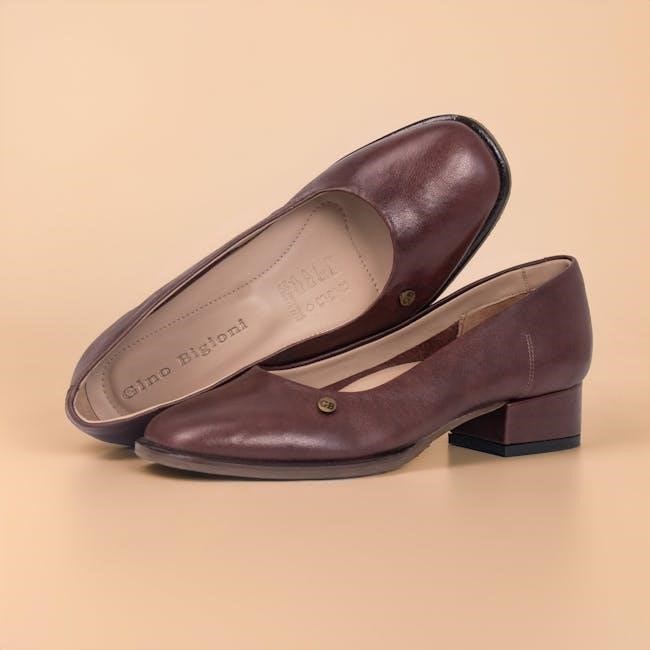
Generally, Australian shoe sizes are half a size larger than their UK equivalents. A UK size 5 is typically an Australian size 5.5, and a UK 6 corresponds to an AU 6.5. However, this isn’t a rigid rule, and variations exist. European shoe lasts often differ, potentially running a little wider.

Manufacturer sizing can significantly impact accuracy; always consult the brand’s specific size chart. Online retailers like Zappos sometimes adjust conversions based on customer feedback when manufacturer details are inaccurate. User reviews are invaluable for identifying sizing discrepancies. Because exact conversions are rare, consider this a guideline rather than a definitive rule. It’s best to measure your foot length and compare it to the brand’s chart for the most reliable fit.

UK Shoe Sizes to Australian Shoe Sizes

A common starting point is adding 0.5 to your UK shoe size to find the Australian equivalent. For instance, a UK size 3 becomes an AU size 3.5, a 4 transforms into a 4.5, and so on. However, relying solely on this conversion can lead to inaccuracies. Variations are frequent, and a precise match isn’t always guaranteed due to differing manufacturing standards.

It’s crucial to remember that a UK size 6 doesn’t automatically equate to an Australian 6.5; always verify with the specific brand’s chart. Experiences vary, with some finding 36 UK sizes sold as 6 in Canada, further complicating matters. Prioritize foot length measurements and compare them against the brand’s detailed sizing guide for optimal results and a comfortable fit.

Considering Manufacturer Variations in Shoe Sizing

Shoe sizing isn’t standardized; each manufacturer employs unique ‘lasts’ – the foot-shaped forms around which shoes are constructed. This means a UK size 6 in one brand might feel significantly different in another, necessitating careful consideration. Relying on general UK to AU conversions is insufficient; brand-specific charts are paramount.

European shoe lasts often run slightly wider, impacting fit. Zappos, for example, sometimes adjusts manufacturer conversions if discrepancies are identified, even temporarily removing items until accurate sizing is confirmed. User reviews become invaluable resources, providing real-world feedback on fit accuracy. Always prioritize checking the specific brand’s size guide and reading customer experiences before making a purchase to avoid disappointment.

Factors Affecting Accurate Conversion

Accurate size conversion relies on brand charts, individual body shapes, and user reviews; these elements significantly impact finding the correct fit between UK and AU sizes.

Brand-Specific Sizing Charts

Understanding that a universal conversion doesn’t exist is crucial; brands interpret and apply sizing differently. Relying solely on general UK to Australian size charts can lead to inaccurate fits. Manufacturers often have unique sizing ‘blocks’ – the template used to create garments – resulting in variations.

For example, Goddess and Elila bras demonstrate significant discrepancies, with a UK 40JJ often equating to a US 40N within their lines. Zappos, recognizing these inconsistencies, sometimes adjusts manufacturer conversions based on internal findings and customer feedback, even temporarily removing items until accurate sizing is confirmed.

Therefore, always consult the specific brand’s size guide available on their website or product page. These charts provide the most reliable information for that particular brand’s sizing system. Prioritize these over generalized conversion tables for a better fit and reduced returns.

Individual Body Shape and Fit Preferences

Acknowledging that body shapes vary greatly is paramount when converting sizes. A standard chart provides a starting point, but personal anatomy significantly impacts fit. Factors like breast shape (swooped, scooped, or shallow) and torso length influence the ideal size, often requiring adjustments beyond simple conversions.

Someone accustomed to a UK G/GG/H might have previously worn a D/DD/DDD, indicating a substantial change in cup size is common. If experiencing spillage or a non-tacking gore, increasing cup sizes by two or three may be necessary, potentially reaching a UK 42H/HH or even 40J/JJ.

Ultimately, fit preference plays a role; some prefer a snugger band, while others prioritize a roomier cup. These individual nuances necessitate experimentation and potentially trying multiple sizes to achieve optimal comfort and support.

The Role of User Reviews in Sizing Accuracy

Leveraging user reviews is incredibly valuable when navigating UK to Australian size conversions, particularly given the inconsistencies between manufacturers. Official conversion charts are often based on manufacturer data, which can sometimes be inaccurate, even leading retailers to temporarily remove items until correct sizing is confirmed.

Real-world feedback from other shoppers provides crucial insights into how a specific brand or style truly fits. Pay attention to comments regarding running large or small, or if the item aligns with expected conversions.

User experiences can highlight discrepancies and offer practical advice, such as suggesting to size up or down. This collective wisdom often surpasses generic guidelines, offering a more reliable path to finding your perfect fit, especially when dealing with varying shoe lasts or bra constructions.

Resources for Accurate Sizing

Numerous online charts and brand-specific guides are available to assist with conversions; professional bra fitting services offer personalized expertise for optimal results.

Online Size Conversion Charts

Numerous websites offer convenient UK to Australian size conversion charts, providing a quick reference point for clothing, shoes, and lingerie. However, it’s crucial to remember these charts present general guidelines, not definitive solutions. Manufacturer variations are common, meaning a UK size 12 might not directly translate to an Australian size 12 across all brands.

Zappos, for example, often utilizes manufacturer-provided conversions, but actively adjusts these when discrepancies are identified through customer feedback. User reviews become invaluable resources, highlighting potential sizing issues and offering real-world insights. Always cross-reference multiple charts and prioritize brand-specific guides whenever possible. These online tools are a great starting point, but should be supplemented with careful consideration of individual brand sizing practices and, ideally, customer experiences shared online.

Brand-Specific Size Guides

Relying on brand-specific size guides is paramount for accurate conversions, as sizing philosophies vary considerably. Unlike generic charts, these guides reflect a brand’s unique cut, fit, and manufacturing standards. For instance, Goddess and Elila demonstrate significant discrepancies; a UK 40JJ often equates to a US 40N within their lines.

These guides often detail specific measurements and provide detailed comparisons. Curvy Kate, known for fuller-bust styles, offers detailed sizing for their Princess Balconette and Ellace bras, specifying UK sizes like 40J/JJ. Always prioritize a brand’s own documentation over generalized charts. Remember, even within a brand, styles can differ, so checking the guide for each specific item is best practice for a confident and accurate fit.

Professional Bra Fitting Services

Seeking a professional bra fitting is invaluable, especially when navigating UK to Australian size conversions. Trained fitters assess your unique shape and provide personalized recommendations, surpassing the limitations of charts. They can identify issues like spillage or a gore that doesn’t tack, indicating an incorrect size—potentially needing a jump of 2-3 cup sizes, as often seen with those transitioning from UK G/GG/H to previously worn D/DD/DDD sizes.

A fitter can also advise on brands suited to your shape, like Goddess Alice for heavier busts or Curvy Kate for fuller figures. They understand how bands and cups interact and can adjust for variations in tissue distribution. This expertise is crucial, as manufacturer conversions can be inaccurate, sometimes requiring retailers like Zappos to adjust listings based on user feedback.

Troubleshooting Sizing Issues

When conversions fail, consider adjusting for body shape; user reviews are invaluable. If a fit is off, explore different brands and band/cup combinations.

What to Do When a Conversion Doesn’t Fit

If your initial size conversion doesn’t result in a comfortable fit, don’t despair! Sizing isn’t an exact science, and variations are common. First, reassess your measurements – perhaps a fresh measurement is needed. Remember that manufacturer sizing can deviate significantly from standard charts, so always consult the brand’s specific guide if available.

Crucially, pay attention to how the garment feels. Spillage, gaping, or discomfort are clear indicators that a size adjustment is necessary. Don’t hesitate to “sister size” – adjusting the band and cup together (e.g., going up a band size and down a cup size) can often resolve fit issues. User reviews can be incredibly helpful here, offering insights from others who have navigated similar challenges with that particular brand or style.

Finally, consider your individual body shape. A conversion chart provides a starting point, but your unique proportions may require further tweaking. Don’t be afraid to experiment with different sizes until you find the perfect fit!

Adjusting for Different Body Shapes

Recognizing that bodies vary greatly is key to successful size conversion. Standard charts assume an ‘average’ shape, which few possess! If you have a fuller bust, for example, you might need to size up in cup size, even if your band measurement aligns with a smaller size. Conversely, a smaller bust might necessitate a different approach, potentially requiring padded styles or adjustments to the band.

Consider your torso length when selecting dresses or tops; a shorter torso may require petite sizing, while a longer torso benefits from regular or tall options. For bottoms, assess your hip-to-waist ratio – a significant difference may mean sizing up in the hips while adjusting the waist.

Ultimately, prioritize fit over the number on the label. Don’t be afraid to mix and match sizes (e.g., a larger size in the hips and a smaller size in the waist) to achieve the most flattering and comfortable silhouette.