
The TH400 transmission, a robust automatic, benefits from the reverse manual valve body’s control. Daily quizzes, like those on Microsoft Rewards, demonstrate engaging content.
What is a TH400 Transmission?
The TH400 is a three-speed automatic transmission renowned for its durability and strength, originally introduced in 1964. It quickly became a staple in General Motors vehicles, powering everything from full-size cars to trucks and even some performance applications. Its robust design allowed it to handle significant horsepower and torque, making it a favorite among enthusiasts.
Unlike more modern transmissions, the TH400 relies heavily on hydraulic pressure and a complex valve body to control gear shifts. This simplicity, while requiring more maintenance, contributes to its legendary reliability. Understanding the TH400’s core mechanics is crucial before delving into the specifics of the reverse manual valve body, as it directly impacts how the transmission functions and responds to modifications. Daily quizzes, like those found on Microsoft Rewards, often test general knowledge.
The Role of the Valve Body
The valve body is the hydraulic control center of the TH400 transmission, directing fluid pressure to operate clutches and bands, ultimately determining gear selection. It’s a complex assembly containing numerous valves, springs, and passages. These components work in precise coordination to achieve smooth and accurate shifts. Proper function is paramount for optimal transmission performance.
The valve body receives input from the governor, throttle linkage, and manual valve, translating these signals into hydraulic commands. A malfunctioning valve body can cause a variety of issues, including harsh shifting, slipping gears, or even complete transmission failure. Daily online quizzes, similar to those on Microsoft Rewards, often test attention to detail and understanding of complex systems.
Understanding Reverse Manual Valve Bodies
A reverse manual valve body in a TH400 allows for driver-controlled selection of reverse gear, bypassing the automatic shift linkage in that specific range. This is particularly useful for applications requiring precise control, like drag racing or certain industrial vehicles. Unlike standard valve bodies, it features a dedicated manual valve for reverse engagement.
This manual operation provides a positive lock into reverse, preventing accidental shifts. Understanding its function requires recognizing the interplay between the manual valve, slide pins, and the reverse clutch circuit. Daily online challenges, like Microsoft Rewards quizzes, often require focused comprehension of specific details. Proper adjustment and maintenance are crucial for reliable operation.

Components of a TH400 Reverse Manual Valve Body
Key parts include the manual valve, slide pins, springs, and reverse clutch components. Online quizzes, like Microsoft Rewards, test knowledge of intricate systems.
Manual Valve
The manual valve is a crucial component within the TH400 reverse manual valve body, directly controlling fluid flow to engage reverse. It’s a spool-type valve, moved by the manual linkage when the driver selects reverse. This movement directs high-pressure hydraulic fluid, bypassing the normal automatic shift sequencing.
Proper function of the manual valve is paramount for reliable reverse engagement. Wear or damage to the valve or its bore can cause sluggish or incomplete engagement. Inspecting for scoring, corrosion, and smooth movement is essential during a rebuild. Remember, engaging quizzes, like those found on Microsoft Rewards, require focused attention to detail, much like diagnosing valve body issues!
Slide Pins and Springs
Within the TH400 reverse manual valve body, slide pins and springs are integral to precise valve movement and timing. These small, often overlooked components guide the valves as they shift, ensuring correct fluid routing for proper gear engagement. The springs provide the necessary force to return the valves to their neutral positions when the driver releases the manual valve input.
Worn or broken springs diminish responsiveness, while bent or damaged slide pins cause valves to bind or stick. Regular inspection and replacement of these parts during a rebuild are critical. Much like answering daily quizzes on platforms like Microsoft Rewards, precision and attention to detail are key to a successful outcome!
Reverse Clutch Application
The reverse clutch application within a TH400, governed by the manual valve body, is a crucial function. When the driver selects reverse, the manual valve directs high-pressure fluid to the reverse clutch pack. This hydraulic pressure engages the clutch, locking the appropriate gears and enabling reverse motion. Proper function relies on unobstructed fluid passages and a fully operational manual valve.

A weak or failing reverse clutch, often stemming from valve body issues, results in slipping or complete loss of reverse. Troubleshooting involves verifying adequate line pressure and inspecting the clutch pack itself. Similar to completing daily challenges on platforms like Microsoft Rewards, a smooth and reliable process depends on all components working in harmony.
Accumulator and Regulator Valve
The accumulator and regulator valve within the TH400’s reverse manual valve body play a vital role in smoothing shifts and maintaining consistent line pressure. The accumulator dampens pressure spikes, preventing harsh engagements, while the regulator valve ensures stable hydraulic pressure throughout the transmission system. These components work in tandem to provide a comfortable driving experience and protect the transmission from damage.
A malfunctioning accumulator or regulator valve can cause erratic shifting, delayed engagement, or even complete transmission failure. Much like consistently answering daily quizzes on platforms like Microsoft Rewards, precise regulation is key. Regular inspection and maintenance of these valves are essential for optimal TH400 performance and longevity.

Diagnosing Issues with a TH400 Reverse Manual Valve Body
Identifying problems requires checking for symptoms like slipping, delayed engagement, or no reverse. Daily online quizzes, similar to Microsoft Rewards, test knowledge effectively.
Common Symptoms of Failure
Several telltale signs indicate a failing TH400 reverse manual valve body. The most prominent symptom is a complete loss of reverse gear functionality; the transmission will move forward but not backward. Another common issue is delayed engagement of reverse – a noticeable pause between selecting ‘R’ and the transmission engaging. Intermittent reverse operation, where it works sometimes and not others, is also a strong indicator;

Furthermore, harsh or erratic shifting patterns can point to valve body problems. You might experience slipping in reverse, where the engine revs without proportional vehicle speed. Unusual noises, like clunking or whining sounds, emanating from the transmission during reverse engagement should also be investigated. Remember, consistent engagement issues warrant immediate attention to prevent further damage and costly repairs. Like daily quizzes, accurate diagnosis is key!
Checking for Proper Line Pressure
Verifying adequate line pressure is crucial when diagnosing a TH400 reverse manual valve body issue. Low line pressure can significantly impact reverse clutch application and overall transmission performance. To check, install a pressure gauge into the transmission case test port, following the manufacturer’s specifications. With the engine running in drive and reverse, compare the reading to the factory-recommended pressure range.
Insufficient pressure often indicates a worn pump, a faulty pressure regulator valve within the valve body, or restrictions in the fluid lines. Conversely, excessively high pressure can damage internal components. Remember to exercise caution when working with pressurized fluids. Like completing daily quizzes, precision and adherence to guidelines are essential for accurate results and safe operation.
Identifying Stuck Valves
Stuck valves within the TH400 reverse manual valve body are a common cause of reverse failure or erratic shifting. Identifying these requires careful inspection during disassembly. Valves can become stuck due to varnish buildup from old fluid, debris, or corrosion. Gently attempt to move each valve within its bore; it should slide smoothly with minimal resistance.
If a valve is stuck, avoid forcing it, as this can damage the valve body. Soaking the valve body in transmission solvent can help dissolve deposits. Similar to tackling daily online quizzes, a methodical approach is key. A stuck reverse valve directly impacts reverse clutch engagement, mirroring how a single incorrect answer affects a quiz score. Thoroughness is paramount for a successful diagnosis.
Inspecting for Wear and Tear
A comprehensive inspection for wear and tear is crucial when rebuilding a TH400 reverse manual valve body. Look closely at the valve bores for scoring or ovalization, which can prevent proper valve sealing. Check the slide pins for wear on the contact surfaces, as excessive play affects shift timing. Examine the springs for fatigue or breakage; weakened springs compromise valve responsiveness.
Similar to carefully reviewing answers on a daily quiz, meticulous attention to detail is vital. Worn components contribute to reduced line pressure and improper clutch application. Identifying these issues early prevents future failures. Just as consistent participation in online rewards programs yields benefits, thorough inspection ensures a reliable transmission rebuild.
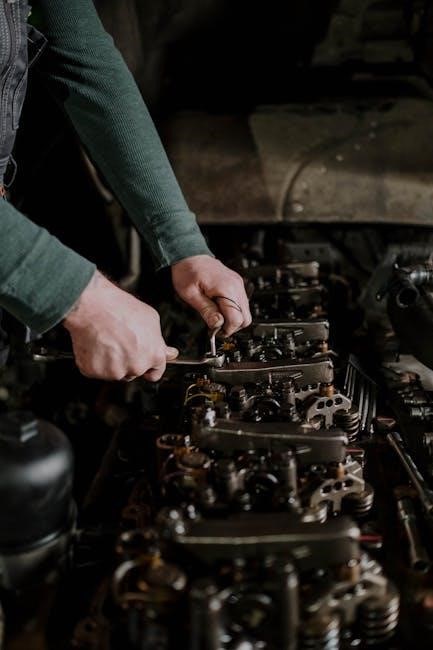
Rebuilding a TH400 Reverse Manual Valve Body
Rebuilding involves careful disassembly, meticulous cleaning, replacing worn parts, and precise reassembly. Daily online quizzes, like those from Microsoft Rewards, require similar focus.
Disassembly Procedures
Begin by carefully draining the transmission fluid, ensuring minimal spillage to maintain a clean workspace. Remove the transmission pan and filter, noting the condition of the fluid for potential clues about the valve body’s condition. Detach the manual linkage and electrical connectors.
Next, unbolt the valve body from the transmission case, gently separating it to avoid damaging any internal components. Pay close attention to the order of removal for springs, check balls, and slides. Document each step with photographs or detailed notes – this is crucial for successful reassembly. Carefully extract the manual valve and associated components, labeling each part for easy identification. Remember, patience and organization are key during this process, mirroring the focused attention needed for daily online quizzes like those found on Microsoft Rewards.
Cleaning and Inspection of Parts
Thorough cleaning is paramount. Use a solvent tank or parts washer to remove all traces of old fluid, debris, and varnish from each component of the TH400 reverse manual valve body. Avoid abrasive cleaners that could damage precision surfaces. Inspect each valve, slide, and spring for wear, scoring, or cracks.
Pay particular attention to the manual valve and slide pins, checking for smooth operation and proper seating. Examine the accumulator and regulator valve for signs of deterioration. Look closely at all seals and O-rings, replacing any that appear worn or damaged. This meticulous inspection, akin to carefully answering daily Microsoft Rewards quizzes, ensures only quality parts are reassembled, guaranteeing optimal performance and reliability. Document any findings for future reference.
Replacing Worn Components
Identifying and replacing worn parts is crucial during a TH400 reverse manual valve body rebuild. Any valve exhibiting scoring, sticking, or damage must be replaced with new or professionally reconditioned units. Similarly, worn slide pins and springs should be exchanged for new ones to ensure precise shifting.
Replace all seals and O-rings, regardless of their apparent condition, as they are prone to hardening and leaking over time. If the accumulator or regulator valve shows signs of wear, replacement is recommended. Sourcing high-quality replacement parts, much like seeking correct answers for Microsoft Rewards quizzes, is essential for a successful rebuild. Double-check compatibility before installation, and use appropriate lubricants during assembly.
Reassembly Steps
Careful reassembly is paramount after cleaning and inspecting the TH400 reverse manual valve body. Begin by installing the slide pins and springs, ensuring proper orientation and lubrication. Gently place the valves into their respective bores, verifying they move freely. Reinstall the accumulator and regulator valve, paying attention to any shims or check balls.
Apply a light coating of transmission fluid to all moving parts during assembly, similar to diligently answering daily Microsoft Rewards quizzes. Torque all fasteners to the manufacturer’s specifications. Double-check the alignment of all components before final tightening. A methodical approach, combined with attention to detail, will ensure a properly functioning valve body, ready for testing and installation.

Tools Required for TH400 Valve Body Work
Specialized tools, alongside standard hand tools and pressure testing equipment, are essential for successful TH400 valve body repair, much like completing daily online quizzes.
Specialized Valve Body Tools
Successfully rebuilding a TH400 reverse manual valve body demands specific tools beyond a typical mechanic’s set. A valve body work station, providing a clean and organized space, is highly recommended. Internal valve body snap ring tools are crucial for removing and installing snap rings securing valves and components without damage.
Precision pin punches, of varying sizes, are needed for driving out pins without bending or mushrooming them. A valve body bore gauge ensures proper clearances for smooth valve operation. Air check tools allow for testing valve function and leak detection. Don’t forget specialized screwdrivers designed for soft aluminum valve body materials, preventing stripping. Finally, a good set of feeler gauges is vital for verifying clearances and spring pressures, ensuring optimal performance – much like accuracy is key in daily online challenges!
Standard Hand Tools
Alongside specialized equipment, a solid collection of standard hand tools is essential for TH400 reverse manual valve body work. A comprehensive socket set, including both metric and standard sizes, is fundamental for disassembly and reassembly. Wrenches, open-end and box-end, are needed for various fittings and connections.
Screwdrivers – Phillips head and flathead – in multiple sizes are indispensable. Pliers, including needle-nose and slip-joint, assist with manipulating small parts. A magnetic parts tray keeps track of screws and components, preventing loss. Torque wrenches, calibrated accurately, ensure proper tightening of fasteners. A rubber mallet aids in gently persuading stuck parts. Remember, just like completing daily online quizzes requires consistent effort, careful use of these tools is key to success!
Pressure Testing Equipment
Accurate pressure testing is crucial after rebuilding a TH400 reverse manual valve body to verify proper function. A hand-held pressure gauge, capable of reading transmission fluid pressures, is paramount. An air pressure tester allows for initial leak checks before introducing fluid, preventing messy situations. A supply of transmission fluid, compatible with TH400 specifications, is obviously necessary.
Adapters and fittings are needed to connect the pressure gauge to various test ports on the transmission. A method for safely containing fluid during testing, like a drip pan, is recommended. Just as consistent participation in online quizzes, like those offered by Microsoft Rewards, yields results, thorough pressure testing ensures a reliable transmission.

Troubleshooting Specific Reverse Issues
Diagnosing reverse problems involves checking for engagement, delays, or intermittent operation. Like solving daily Microsoft Rewards quizzes, methodical testing reveals the root cause.
No Reverse Engagement
A complete lack of reverse engagement within a TH400 transmission often points to a significant hydraulic issue or mechanical failure within the reverse manual valve body. Initial checks should focus on verifying adequate line pressure, as insufficient pressure will prevent proper clutch application. Inspect the reverse band for proper engagement; a worn or damaged band won’t hold.
Furthermore, a stuck or malfunctioning reverse valve within the valve body itself is a prime suspect. Debris or varnish buildup can impede valve movement, blocking fluid flow to the reverse clutch. Carefully examine the valve body for any visible damage or obstructions. Remember, similar to troubleshooting a complex puzzle – like the daily Microsoft Rewards quizzes – a systematic approach is crucial for accurate diagnosis.
Delayed Reverse Engagement
Delayed reverse engagement in a TH400 transmission suggests a restriction in the hydraulic circuit controlling reverse clutch application. This often manifests as a noticeable pause between selecting reverse and the vehicle actually moving. A common culprit is a partially clogged or sticking reverse valve within the manual valve body, hindering immediate fluid flow.
Inspect the accumulator and regulator valve, as their function impacts overall hydraulic response. Low line pressure, though less likely than a valve issue, should still be verified. Similar to tackling the daily Microsoft Rewards quizzes, methodical testing is key. Worn seals or internal leaks within the valve body can also contribute to this delay, reducing available pressure. Thorough inspection and cleaning are vital for restoring prompt reverse function.
Reverse Works Intermittently
Intermittent reverse function in a TH400 transmission is a frustrating symptom, often pointing to inconsistent hydraulic pressure or valve operation. This can feel similar to the unpredictable nature of daily online quizzes, like those found on Microsoft Rewards, where results can vary. A sticking slide pin within the valve body is a prime suspect, intermittently blocking fluid passage to the reverse clutch.
Check for debris or wear within the reverse valve bore, as this can cause erratic valve movement. Electrical issues, though less common, should be ruled out. Fluctuating line pressure, potentially caused by a failing pump or regulator valve, can also contribute. A careful examination of all components, combined with pressure testing, is crucial for pinpointing the source of the inconsistency and restoring reliable reverse operation.

Advanced Considerations
Valve body modifications can dramatically alter shift patterns and performance, requiring careful planning. Torque converter selection significantly impacts overall transmission behavior and efficiency.
Modifying Valve Bodies for Performance
Performance modifications to a TH400 reverse manual valve body often center around firmer shifts and improved hydraulic efficiency. This can involve altering jet sizes to increase fluid delivery to clutches, or modifying the accumulator to sharpen shift feel. Aggressive modifications require careful consideration of component strength; increased hydraulic pressure can stress valve body castings and internal parts.
Porting and polishing valve body passages can reduce flow restriction, enhancing responsiveness. Some builders will also modify the reverse clutch feed circuit for quicker engagement. However, these changes must be balanced with drivability; excessively firm shifts can lead to component breakage and a harsh ride. Proper testing and tuning are crucial after any valve body modification to ensure optimal performance and reliability.
Understanding Shift Patterns
The TH400’s shift pattern, governed by the valve body, dictates gear engagement based on vehicle speed and throttle position. The reverse manual valve body introduces a direct mechanical override for reverse, bypassing the normal automatic sequencing. Understanding how the valve body directs fluid to different clutches and bands is key to diagnosing shift issues.
Proper shift timing relies on precise governor operation and accurate line pressure. Modifications to the valve body can alter these patterns, resulting in firmer or softer shifts. Analyzing the shift points and feel provides valuable insight into the valve body’s functionality. Recognizing deviations from the factory shift pattern helps pinpoint internal problems or the effects of performance modifications.
Impact of Torque Converters
The torque converter’s stall speed and efficiency significantly influence the TH400’s overall performance, interacting closely with the valve body’s function. A mismatched torque converter can mask valve body issues or exacerbate existing problems. Higher stall converters, common in performance applications, demand precise valve body calibration to prevent excessive slippage or harsh engagement.
The torque converter multiplies engine torque, impacting line pressure and shift points. Valve body modifications intended to improve shift firmness must account for the converter’s characteristics. A failing torque converter can mimic valve body symptoms, leading to misdiagnosis. Ensuring the torque converter is in good working order is crucial before attempting valve body repairs or upgrades for optimal transmission operation.

Resources and Further Information
Online forums and technical manuals offer invaluable insights into TH400 valve bodies. Microsoft Rewards quizzes, though unrelated, highlight accessible learning platforms.
Online Forums and Communities
Dedicated online forums are a treasure trove of information for those working with TH400 transmissions and specifically, reverse manual valve bodies. These communities provide a platform for enthusiasts and professionals alike to share experiences, troubleshooting tips, and detailed rebuild information. Websites like TransmissionCenter.net and various classic car forums often have active TH400 sections.
You’ll find discussions covering everything from identifying specific valve body components to diagnosing complex issues. Members frequently post photos and videos, aiding in visual understanding. Don’t hesitate to ask questions – experienced members are usually eager to help. Remember to search existing threads before posting, as your issue may have already been addressed. These forums are a fantastic resource, complementing technical manuals and parts supplier websites.
Technical Manuals and Diagrams
Accessing authentic technical manuals is crucial when working with a TH400 reverse manual valve body. These manuals, often available as digital downloads or reprints, provide detailed exploded views, parts lists, and precise specifications essential for proper disassembly, inspection, and reassembly. GM factory service manuals are the gold standard, offering comprehensive coverage.
Diagrams illustrating the hydraulic circuits within the valve body are invaluable for understanding fluid flow and identifying potential problem areas. Supplementing these with aftermarket rebuild guides can offer simplified explanations. Remember that variations exist between TH400 model years, so ensure the manual corresponds to your specific transmission. Careful study of these resources minimizes errors and ensures a successful rebuild.
Parts Suppliers
Sourcing quality parts is paramount when rebuilding a TH400 reverse manual valve body. Several reputable suppliers specialize in automatic transmission components. Companies like Transmission Supply, Monster Transmission, and YearOne offer a wide range of TH400 parts, including valve body kits, seals, springs, and individual components.
Consider both new and remanufactured options, balancing cost with durability. Online marketplaces like eBay can offer competitive pricing, but exercise caution and verify seller reputation. Local transmission shops may also sell parts or offer rebuild kits. Always confirm compatibility with your specific TH400 model year before purchasing. Prioritize suppliers with strong return policies and technical support.



About the author